Hollywood's New Colossus: Paramount Skydance Forges $110 Billion Media Giant
October 8, 2026, 3:31 pm


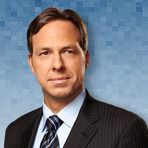
Paramount Skydance completed its $110 billion Warner Bros Discovery acquisition. A new media titan emerges. The deal unites iconic studios, networks like CNN and HBO Max, and blockbuster franchises. CEO David Ellison spearheads creative vision. Co-CEO Ynon Kreiz oversees integration. This strategic consolidation aims to counter Big Tech dominance and streamline streaming. The entity faces $80 billion in debt and targets $6 billion in cost efficiencies. Political scrutiny over news independence remains. Hollywood transforms.
A monumental $110 billion deal reshapes Hollywood. Paramount Skydance acquired Warner Bros Discovery. The transaction closed on October 6, 2026. This creates one of the world's largest entertainment and news empires. Shares now trade under "SKYD" on the NYSE. The new company holds immense power. It combines film studios, television networks, and streaming services. Key assets include Paramount, Warner Bros, HBO Max, CBS, CNN, and DC Studios. Franchises like "Mission: Impossible" and "Harry Potter" now sit under one roof.
This merger is a bold strike. Traditional Hollywood faced complacency. Digital platforms like Netflix and Amazon disrupted the industry. This deal directly challenges them. The goal: build a next-generation media company. It will be powered by creativity and technology. Size matters in this new landscape. The combined entity aims for a stronger competitive stance. It seeks to redefine entertainment.
Content is king. The new entity pledges massive investment. Over $30 billion annually will fund content creation. Theatrical releases are a priority. Thirty films per year are planned for the first two years. This increases to 32 annually in subsequent years. A major streaming overhaul is coming. Paramount+ and HBO Max will unify. They will become a single flagship platform. This streamlines access for audiences. It enhances content reach.
The financial picture is complex. The new company inherits substantial debt. Approximately $80 billion burdens the balance sheet. Management faces pressure to accelerate streaming growth. Sustaining cash flows from legacy cable networks is crucial. Box-office performance must deliver. Aggressive cost-cutting measures are in motion. Skydance targets $6 billion in annual savings. These efficiencies will stem partly from non-labor sources. Job losses across Hollywood are still widely anticipated. Revenue projections are robust. Industry analysts forecast $16 billion in core operating profit by 2028. This could grow to $19 billion by 2030. Revenues may reach $70 billion.
Leadership roles are defined. David Ellison holds the CEO title. He oversees creative direction and broad corporate strategy. Ynon Kreiz steps in as co-CEO. Kreiz manages daily operations. He spearheads the integration of the two giants. This dual leadership tackles a monumental task. Both CNN chief Mark Thompson and CBS News Editor-in-Chief Bari Weiss retain their posts. They report separately. Ellison's compensation includes a $5 million annual base salary. A $5 million target annual bonus also applies.
Skydance's journey is swift. David Ellison founded the studio in 2010. In just 16 years, it transformed. From an independent backer, it became a central Hollywood player. Skydance forged its reputation with Paramount. It produced blockbusters like "Top Gun: Maverick." The prior merger with Paramount set the stage. The Warner Bros Discovery acquisition cements its status. Ellison now controls an unmatched entertainment portfolio. The Skydance name persists. It preserves the individual identities of Paramount and Warner Bros. Wall Street sees it differently. They view it as cementing Ellison's sweeping authority.
The path to merger was not smooth. Settlements were reached with US states. A Hollywood writers union also signed off. These removed major legal hurdles. Political attention mounted. News consolidation raised eyebrows. Concerns about editorial independence emerged. US President Donald Trump endorsed the deal. His support came despite past media attacks. Ellison addressed scrutiny directly. He agreed to establish an editorial independence board. This board will oversee CNN and CBS News. It aims to quell fears of undue influence. Industry experts caution the board may lack teeth. High-profile figures join the company's governance. Ynon Kreiz, Bobby Kotick, and Laurene Powell Jobs are on the board. Former UK Prime Minister Tony Blair serves in an advisory role.
The media industry faces headwinds. Cable-TV subscriptions decline steadily. Streaming competition remains fierce. High costs plague the sector. Unions exert pressure for workers' rights. The new entity must navigate these challenges. Integrating two massive businesses demands precision. Realizing $6 billion in cost savings will be painful. Balancing creative ambition with financial discipline is key. This merger marks a significant pivot point. It signals a new chapter for global entertainment. The combined force aims to dominate. It battles for audience attention and market share. Success hinges on execution. Hollywood watches closely.
A monumental $110 billion deal reshapes Hollywood. Paramount Skydance acquired Warner Bros Discovery. The transaction closed on October 6, 2026. This creates one of the world's largest entertainment and news empires. Shares now trade under "SKYD" on the NYSE. The new company holds immense power. It combines film studios, television networks, and streaming services. Key assets include Paramount, Warner Bros, HBO Max, CBS, CNN, and DC Studios. Franchises like "Mission: Impossible" and "Harry Potter" now sit under one roof.
This merger is a bold strike. Traditional Hollywood faced complacency. Digital platforms like Netflix and Amazon disrupted the industry. This deal directly challenges them. The goal: build a next-generation media company. It will be powered by creativity and technology. Size matters in this new landscape. The combined entity aims for a stronger competitive stance. It seeks to redefine entertainment.
Content is king. The new entity pledges massive investment. Over $30 billion annually will fund content creation. Theatrical releases are a priority. Thirty films per year are planned for the first two years. This increases to 32 annually in subsequent years. A major streaming overhaul is coming. Paramount+ and HBO Max will unify. They will become a single flagship platform. This streamlines access for audiences. It enhances content reach.
The financial picture is complex. The new company inherits substantial debt. Approximately $80 billion burdens the balance sheet. Management faces pressure to accelerate streaming growth. Sustaining cash flows from legacy cable networks is crucial. Box-office performance must deliver. Aggressive cost-cutting measures are in motion. Skydance targets $6 billion in annual savings. These efficiencies will stem partly from non-labor sources. Job losses across Hollywood are still widely anticipated. Revenue projections are robust. Industry analysts forecast $16 billion in core operating profit by 2028. This could grow to $19 billion by 2030. Revenues may reach $70 billion.
Leadership roles are defined. David Ellison holds the CEO title. He oversees creative direction and broad corporate strategy. Ynon Kreiz steps in as co-CEO. Kreiz manages daily operations. He spearheads the integration of the two giants. This dual leadership tackles a monumental task. Both CNN chief Mark Thompson and CBS News Editor-in-Chief Bari Weiss retain their posts. They report separately. Ellison's compensation includes a $5 million annual base salary. A $5 million target annual bonus also applies.
Skydance's journey is swift. David Ellison founded the studio in 2010. In just 16 years, it transformed. From an independent backer, it became a central Hollywood player. Skydance forged its reputation with Paramount. It produced blockbusters like "Top Gun: Maverick." The prior merger with Paramount set the stage. The Warner Bros Discovery acquisition cements its status. Ellison now controls an unmatched entertainment portfolio. The Skydance name persists. It preserves the individual identities of Paramount and Warner Bros. Wall Street sees it differently. They view it as cementing Ellison's sweeping authority.
The path to merger was not smooth. Settlements were reached with US states. A Hollywood writers union also signed off. These removed major legal hurdles. Political attention mounted. News consolidation raised eyebrows. Concerns about editorial independence emerged. US President Donald Trump endorsed the deal. His support came despite past media attacks. Ellison addressed scrutiny directly. He agreed to establish an editorial independence board. This board will oversee CNN and CBS News. It aims to quell fears of undue influence. Industry experts caution the board may lack teeth. High-profile figures join the company's governance. Ynon Kreiz, Bobby Kotick, and Laurene Powell Jobs are on the board. Former UK Prime Minister Tony Blair serves in an advisory role.
The media industry faces headwinds. Cable-TV subscriptions decline steadily. Streaming competition remains fierce. High costs plague the sector. Unions exert pressure for workers' rights. The new entity must navigate these challenges. Integrating two massive businesses demands precision. Realizing $6 billion in cost savings will be painful. Balancing creative ambition with financial discipline is key. This merger marks a significant pivot point. It signals a new chapter for global entertainment. The combined force aims to dominate. It battles for audience attention and market share. Success hinges on execution. Hollywood watches closely.