U.S.-Canada Trade War Escalates: Tariffs Imposed, Retaliation Looms
August 24, 2026, 10:54 am
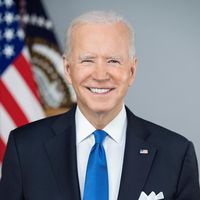


U.S.-Canada trade negotiations collapsed. President Trump's administration implemented 50% tariffs on $20 billion in Canadian imports. Canada vowed "dollar for dollar" retaliation, setting duties for September 8. This escalating dispute threatens North American supply chains, raises consumer costs, and deepens bilateral economic tensions. Businesses face severe disruption. The immediate future of U.S.-Canada trade remains uncertain.
Washington D.C. — U.S. and Canadian trade talks failed. New tariffs are now in effect. The breakdown marks a significant escalation in an already strained economic relationship. Hopes for a last-minute deal evaporated.
President Trump’s administration triggered 50% tariffs. These duties target $20 billion in Canadian imports. Products affected include wine, furniture, dairy, and hockey equipment. The tariffs activated Saturday morning. They are a direct response to perceived Canadian trade discrimination.
Canada quickly condemned the move. Prime Minister Mark Carney announced swift retaliation. His government will impose its own tariffs starting September 8. Canada’s counter-measures will be "dollar for dollar." Targets include steel, dairy, agricultural equipment, and pulp and paper.
The trade dispute began weeks ago. In July, the Trump administration announced the tariff threat. It invoked Section 338 of the Tariff Act of 1930. This Depression-era law allows tariffs up to 50%. Its use had been rare for decades. U.S. officials cited Canada's alleged discrimination. Key sectors like motor vehicles, alcohol, and dairy were highlighted.
Negotiations saw dramatic turns. On August 18, President Trump paused the tariffs for three days. He announced a tentative "DEAL!" via social media. This fueled optimism for an agreement. Discussions resumed with intensity.
Trump hinted at potential concessions. He suggested a revival of the Keystone XL pipeline. He also mentioned lowering U.S. tariffs on Canadian steel and aluminum. In return, Canadian tariffs on U.S. farm goods could disappear. This seemed a path to de-escalation.
Canadian officials remained more cautious. Prime Minister Carney acknowledged "substantial progress." Yet, he emphasized "important work still to be done." Trade Minister Dominic LeBlanc noted talks were "very close." Both sides expressed desire for a deal.
However, sticking points persisted. U.S. tariffs on Canadian steel, aluminum, and lumber were a central issue. Canada sought their reduction. Trump had implied willingness, but no firm agreement emerged. The three-day pause expired.
The deadline arrived Friday. Negotiators met until the final hours. U.S. Trade Representative Jamieson Greer stated Canada "declined to finalize the trade deal." He claimed Canada rejected previously agreed terms.
Prime Minister Carney offered a different account. He described "last-minute changes" by the U.S. He called them "unfair" and "uneconomic." These changes cast doubt on any potential agreement's reliability. Canada maintained its objectives for its citizens were not met.
The tariffs took effect. Businesses on both sides immediately felt the impact. A 50% tariff renders many products unviable. Canadian firms saw U.S. buyers halt orders. Supply chains face severe disruption.
American industries also voice concerns. The Business Roundtable acknowledged administration efforts to address trade barriers. Yet, it warned of new tariffs creating risks. Higher costs for American businesses and families are expected. Vital supply chains could unravel. The crucial U.S.-Canada economic relationship faces strain.
U.S. lawmakers criticized the escalation. Senate Minority Leader Chuck Schumer denounced the tariffs. He highlighted increased costs for hardworking American families. Senator Susan Collins, representing Maine, raised specific alarms. Maine imports billions in non-petroleum products from Canada annually. Tariffs would significantly harm state businesses, communities, and families. Both urged a return to negotiations.
Despite these pleas, the immediate future looks grim. U.S. Trade Representative Greer stated no new talks are planned. He reiterated the U.S. position. Canada could have secured an "even better deal."
The failure to renew the USMCA agreement adds to the uncertainty. The trilateral pact with Mexico expired in July. Its future remains unclear. The U.S. and Canada now navigate a fractured trade landscape. This conflict impacts numerous industries. Dairy farmers, automotive manufacturers, and energy producers face significant headwinds. Consumer prices may rise. Cross-border commerce, long a pillar of North American prosperity, stands threatened.
This trade war will inflict economic pain. Both nations will feel it. The ripple effects will extend globally. Businesses must adapt to new barriers. Policy makers confront a complex, hostile environment. The path to resolution appears long and difficult. Bilateral relations face their sternest test in decades.
Washington D.C. — U.S. and Canadian trade talks failed. New tariffs are now in effect. The breakdown marks a significant escalation in an already strained economic relationship. Hopes for a last-minute deal evaporated.
President Trump’s administration triggered 50% tariffs. These duties target $20 billion in Canadian imports. Products affected include wine, furniture, dairy, and hockey equipment. The tariffs activated Saturday morning. They are a direct response to perceived Canadian trade discrimination.
Canada quickly condemned the move. Prime Minister Mark Carney announced swift retaliation. His government will impose its own tariffs starting September 8. Canada’s counter-measures will be "dollar for dollar." Targets include steel, dairy, agricultural equipment, and pulp and paper.
The trade dispute began weeks ago. In July, the Trump administration announced the tariff threat. It invoked Section 338 of the Tariff Act of 1930. This Depression-era law allows tariffs up to 50%. Its use had been rare for decades. U.S. officials cited Canada's alleged discrimination. Key sectors like motor vehicles, alcohol, and dairy were highlighted.
Negotiations saw dramatic turns. On August 18, President Trump paused the tariffs for three days. He announced a tentative "DEAL!" via social media. This fueled optimism for an agreement. Discussions resumed with intensity.
Trump hinted at potential concessions. He suggested a revival of the Keystone XL pipeline. He also mentioned lowering U.S. tariffs on Canadian steel and aluminum. In return, Canadian tariffs on U.S. farm goods could disappear. This seemed a path to de-escalation.
Canadian officials remained more cautious. Prime Minister Carney acknowledged "substantial progress." Yet, he emphasized "important work still to be done." Trade Minister Dominic LeBlanc noted talks were "very close." Both sides expressed desire for a deal.
However, sticking points persisted. U.S. tariffs on Canadian steel, aluminum, and lumber were a central issue. Canada sought their reduction. Trump had implied willingness, but no firm agreement emerged. The three-day pause expired.
The deadline arrived Friday. Negotiators met until the final hours. U.S. Trade Representative Jamieson Greer stated Canada "declined to finalize the trade deal." He claimed Canada rejected previously agreed terms.
Prime Minister Carney offered a different account. He described "last-minute changes" by the U.S. He called them "unfair" and "uneconomic." These changes cast doubt on any potential agreement's reliability. Canada maintained its objectives for its citizens were not met.
The tariffs took effect. Businesses on both sides immediately felt the impact. A 50% tariff renders many products unviable. Canadian firms saw U.S. buyers halt orders. Supply chains face severe disruption.
American industries also voice concerns. The Business Roundtable acknowledged administration efforts to address trade barriers. Yet, it warned of new tariffs creating risks. Higher costs for American businesses and families are expected. Vital supply chains could unravel. The crucial U.S.-Canada economic relationship faces strain.
U.S. lawmakers criticized the escalation. Senate Minority Leader Chuck Schumer denounced the tariffs. He highlighted increased costs for hardworking American families. Senator Susan Collins, representing Maine, raised specific alarms. Maine imports billions in non-petroleum products from Canada annually. Tariffs would significantly harm state businesses, communities, and families. Both urged a return to negotiations.
Despite these pleas, the immediate future looks grim. U.S. Trade Representative Greer stated no new talks are planned. He reiterated the U.S. position. Canada could have secured an "even better deal."
The failure to renew the USMCA agreement adds to the uncertainty. The trilateral pact with Mexico expired in July. Its future remains unclear. The U.S. and Canada now navigate a fractured trade landscape. This conflict impacts numerous industries. Dairy farmers, automotive manufacturers, and energy producers face significant headwinds. Consumer prices may rise. Cross-border commerce, long a pillar of North American prosperity, stands threatened.
This trade war will inflict economic pain. Both nations will feel it. The ripple effects will extend globally. Businesses must adapt to new barriers. Policy makers confront a complex, hostile environment. The path to resolution appears long and difficult. Bilateral relations face their sternest test in decades.