Market Watch: Tech Volatility, Investment Wins, AI Fuels Venture Capital
August 12, 2026, 9:46 am

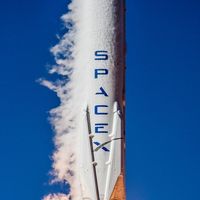

Markets witnessed diverse movements this week. SpaceX's stock navigated post-IPO lockup challenges but received a JPMorgan price target boost, signaling confidence. Gladstone Investment posted robust Q1 earnings, strategically expanding its portfolio and refining its financing. Western Digital shares dropped despite exceeding earnings expectations, impacted by technology concerns. Venture capital firm Craft Ventures, led by former White House official David Sacks, launched a significant $1 billion fund amid rising AI investment. Prediction markets exploded in volume, drawing both major corporate investment and heightened regulatory attention. Meanwhile, Grayscale's withdrawal of its Cardano ETF application introduced a new dynamic into the volatile crypto landscape.
Market forces created significant ripples this week. Technology giants faced critical junctures. Investment firms reported financial milestones. Venture capital sought new frontiers. Emerging sectors continued their rapid expansion. The overall market displayed dynamic shifts.
SpaceX endured a period of intense stock volatility. Its post-IPO lockup period expired. This event made 911 million shares eligible for trading. These shares represented 7% of the company's total outstanding stock. Initial fears pointed to selling pressure. The stock previously plummeted over 50%. It fell from a mid-June high of $225 to $108.27. Its first earnings report fueled this decline. Capital expenditures significantly outpaced revenue. More share lockups loom in August, September, and October. Company founder Elon Musk's vast holdings remain locked until June 2027.
However, the narrative quickly shifted. JPMorgan Chase & Co. raised its SpaceX price target. The bank increased its 12-month outlook to $240 from $225. This signaled a potential 86.8% upside. SpaceX stock surged over 18%. This defied earlier unlock anxieties. Analysts highlighted strong vertical integration. Rapid advancements in artificial intelligence also buoyed confidence. The company aims for $100 billion in annual recurring revenue. This target exceeds 2027 consensus estimates. Its 2030 revenue forecast also accelerated to $1 trillion. SpaceX plans to pull forward $100 billion in AI revenue to 2027. Enhanced compute capacity makes this feasible. The company’s market capitalization now stands at approximately $1.5 trillion.
Gladstone Investment Corporation reported strong first-quarter results. The company's fiscal quarter ended June 30, 2026. Net investment income reached $15.9 million, or $0.40 per share. This marked a significant turnaround from a previous net investment loss. Reduced expenses, primarily from lower capital gains-based incentive fees, drove this improvement. Total investment income also increased to $28.4 million. This gain stemmed from higher dividend and success fee income.
Gladstone also executed strategic portfolio moves. It entered a new $3.0 million secured first lien term loan. This restructured a previous $12.0 million loan, leading to a $9.0 million realized loss. The firm moved to acquire Extrude Hone LLC, a precision surface-finishing provider. Distributions to common stockholders totaled $0.24 per share. Future monthly distributions of $0.08 per share are planned through September 2026. Financing activities included repaying $127.9 million in notes. The company also amended its credit facility. This extended its maturity to June 2031. The facility size increased from $300 million to $405 million. Post-quarter, Gladstone invested $56.5 million in DHE Computer Systems. It added $5.1 million to Global GRAB Technologies. An anticipated sale of SFEG Holdings subsidiary is expected to yield full debt repayment and significant capital gains.
Western Digital faced a curious market reaction. Its earnings report surpassed every metric. Despite strong financial performance, the stock dropped 11%. An identified "HAMR Gap" caused investor concern. This suggests technology or product strategy issues overshadowed positive earnings.
Broader industry news also emerged. JBS secured a significant deal. Indonesia’s state fund, Danantara, invested in its $8.1 billion Australasian meat operation. Suncor named Peter Zebedee as its new CEO. He will lead the company’s strategic "oil sands mine-to-steam pivot."
Craft Ventures, a prominent venture capital firm, launched a new fundraising effort. The firm seeks approximately $1 billion for its latest fund, Craft Ventures V, LP. This marks its first major fundraise since co-founder David Sacks left the White House. Sacks served as the White House AI and crypto czar. His tenure ended in March 2026. This new fund could push Craft Ventures' total capital raised past $4 billion.
Sacks’ political profile may benefit the firm. It could attract both limited partners and promising startups. Craft Ventures, founded in 2017, focuses on B2B software, SaaS, cybersecurity, and AI. The firm's capital base has steadily grown through prior funds. It recently expanded its footprint with an Austin office. The fundraising signals continued strong investor interest in technology, particularly in AI-driven innovation.
Prediction markets captivated investors and regulators. Several companies highlighted their platforms in recent earnings reports. DraftKings' platform, launched in December 2025, showed booming growth. Annualized total volume surged to $11 billion from $2.3 billion. It engaged over 600,000 customers. Most volume, 80-90%, came from institutional traders and betting syndicates. DraftKings boasts ownership of brokerage, exchange, and market-making layers. Despite growth, its second-quarter adjusted EBITDA and revenue missed analyst estimates.
Flutter Entertainment, FanDuel’s parent company, also revealed prediction market activity. Its FanDuel Predicts platform is moving from CME to Crypto.com. This aims to accelerate new product launches for the NFL season. Flutter posted second-quarter adjusted earnings and revenue below expectations. The company anticipates $50 million in market-making revenue this year.
Regulatory scrutiny intensified. State attorneys general challenged the Commodity Futures Trading Commission's authority. They dispute the CFTC's exclusive regulation over sports-related event contracts. Companies like Kalshi and Polymarket face ongoing challenges.
Coinbase reported significant prediction markets revenue growth. Its revenue in this segment increased 106% quarter-over-quarter. Annualized revenue surpassed $100 million in Q2. However, some analysts remained unimpressed. Coinbase's overall second-quarter results presented a wider loss and missed revenue forecasts.
Robinhood introduced Rothera, its own CFTC-licensed exchange. Over 3.5 billion contracts have traded since its June launch. Event contracts generated $156 million in Q2 revenue. Rothera quickly captured 7-8% of total market share among CFTC-regulated venues.
The cryptocurrency market faced new uncertainties. Grayscale Investments withdrew its Cardano (ADA) ETF application. It also withdrew applications for Polkadot (DOT) and Hedera (HBAR). This news emerged shortly after ADA became eligible for a spot crypto ETF. The withdrawal removes a potential bullish catalyst for Cardano. Another anticipated event, the Congressional vote on the CLARITY Act, also saw postponement. Despite these setbacks, Cardano's price showed no immediate dramatic reaction. It maintained its position near $0.20. Some analysts still see signs of broader crypto market strength.
This week underscored the dynamic nature of financial markets. Tech innovation, corporate strategy, and regulatory landscapes continually evolve. Investors navigate complex information. Future developments will shape these unfolding narratives.
Market forces created significant ripples this week. Technology giants faced critical junctures. Investment firms reported financial milestones. Venture capital sought new frontiers. Emerging sectors continued their rapid expansion. The overall market displayed dynamic shifts.
SpaceX's Wild Ride: Unlocks, Surges, and AI Ambitions
SpaceX endured a period of intense stock volatility. Its post-IPO lockup period expired. This event made 911 million shares eligible for trading. These shares represented 7% of the company's total outstanding stock. Initial fears pointed to selling pressure. The stock previously plummeted over 50%. It fell from a mid-June high of $225 to $108.27. Its first earnings report fueled this decline. Capital expenditures significantly outpaced revenue. More share lockups loom in August, September, and October. Company founder Elon Musk's vast holdings remain locked until June 2027.
However, the narrative quickly shifted. JPMorgan Chase & Co. raised its SpaceX price target. The bank increased its 12-month outlook to $240 from $225. This signaled a potential 86.8% upside. SpaceX stock surged over 18%. This defied earlier unlock anxieties. Analysts highlighted strong vertical integration. Rapid advancements in artificial intelligence also buoyed confidence. The company aims for $100 billion in annual recurring revenue. This target exceeds 2027 consensus estimates. Its 2030 revenue forecast also accelerated to $1 trillion. SpaceX plans to pull forward $100 billion in AI revenue to 2027. Enhanced compute capacity makes this feasible. The company’s market capitalization now stands at approximately $1.5 trillion.
Corporate Performance: Investment Firms and Industry Moves
Gladstone Investment Corporation reported strong first-quarter results. The company's fiscal quarter ended June 30, 2026. Net investment income reached $15.9 million, or $0.40 per share. This marked a significant turnaround from a previous net investment loss. Reduced expenses, primarily from lower capital gains-based incentive fees, drove this improvement. Total investment income also increased to $28.4 million. This gain stemmed from higher dividend and success fee income.
Gladstone also executed strategic portfolio moves. It entered a new $3.0 million secured first lien term loan. This restructured a previous $12.0 million loan, leading to a $9.0 million realized loss. The firm moved to acquire Extrude Hone LLC, a precision surface-finishing provider. Distributions to common stockholders totaled $0.24 per share. Future monthly distributions of $0.08 per share are planned through September 2026. Financing activities included repaying $127.9 million in notes. The company also amended its credit facility. This extended its maturity to June 2031. The facility size increased from $300 million to $405 million. Post-quarter, Gladstone invested $56.5 million in DHE Computer Systems. It added $5.1 million to Global GRAB Technologies. An anticipated sale of SFEG Holdings subsidiary is expected to yield full debt repayment and significant capital gains.
Western Digital faced a curious market reaction. Its earnings report surpassed every metric. Despite strong financial performance, the stock dropped 11%. An identified "HAMR Gap" caused investor concern. This suggests technology or product strategy issues overshadowed positive earnings.
Broader industry news also emerged. JBS secured a significant deal. Indonesia’s state fund, Danantara, invested in its $8.1 billion Australasian meat operation. Suncor named Peter Zebedee as its new CEO. He will lead the company’s strategic "oil sands mine-to-steam pivot."
Venture Capital and the AI Gold Rush
Craft Ventures, a prominent venture capital firm, launched a new fundraising effort. The firm seeks approximately $1 billion for its latest fund, Craft Ventures V, LP. This marks its first major fundraise since co-founder David Sacks left the White House. Sacks served as the White House AI and crypto czar. His tenure ended in March 2026. This new fund could push Craft Ventures' total capital raised past $4 billion.
Sacks’ political profile may benefit the firm. It could attract both limited partners and promising startups. Craft Ventures, founded in 2017, focuses on B2B software, SaaS, cybersecurity, and AI. The firm's capital base has steadily grown through prior funds. It recently expanded its footprint with an Austin office. The fundraising signals continued strong investor interest in technology, particularly in AI-driven innovation.
Emerging Markets: Prediction Platforms and Crypto Shifts
Prediction markets captivated investors and regulators. Several companies highlighted their platforms in recent earnings reports. DraftKings' platform, launched in December 2025, showed booming growth. Annualized total volume surged to $11 billion from $2.3 billion. It engaged over 600,000 customers. Most volume, 80-90%, came from institutional traders and betting syndicates. DraftKings boasts ownership of brokerage, exchange, and market-making layers. Despite growth, its second-quarter adjusted EBITDA and revenue missed analyst estimates.
Flutter Entertainment, FanDuel’s parent company, also revealed prediction market activity. Its FanDuel Predicts platform is moving from CME to Crypto.com. This aims to accelerate new product launches for the NFL season. Flutter posted second-quarter adjusted earnings and revenue below expectations. The company anticipates $50 million in market-making revenue this year.
Regulatory scrutiny intensified. State attorneys general challenged the Commodity Futures Trading Commission's authority. They dispute the CFTC's exclusive regulation over sports-related event contracts. Companies like Kalshi and Polymarket face ongoing challenges.
Coinbase reported significant prediction markets revenue growth. Its revenue in this segment increased 106% quarter-over-quarter. Annualized revenue surpassed $100 million in Q2. However, some analysts remained unimpressed. Coinbase's overall second-quarter results presented a wider loss and missed revenue forecasts.
Robinhood introduced Rothera, its own CFTC-licensed exchange. Over 3.5 billion contracts have traded since its June launch. Event contracts generated $156 million in Q2 revenue. Rothera quickly captured 7-8% of total market share among CFTC-regulated venues.
The cryptocurrency market faced new uncertainties. Grayscale Investments withdrew its Cardano (ADA) ETF application. It also withdrew applications for Polkadot (DOT) and Hedera (HBAR). This news emerged shortly after ADA became eligible for a spot crypto ETF. The withdrawal removes a potential bullish catalyst for Cardano. Another anticipated event, the Congressional vote on the CLARITY Act, also saw postponement. Despite these setbacks, Cardano's price showed no immediate dramatic reaction. It maintained its position near $0.20. Some analysts still see signs of broader crypto market strength.
This week underscored the dynamic nature of financial markets. Tech innovation, corporate strategy, and regulatory landscapes continually evolve. Investors navigate complex information. Future developments will shape these unfolding narratives.