SpaceX IPO: A Trillion-Dollar Launch Reshaping Markets
June 18, 2026, 9:35 am


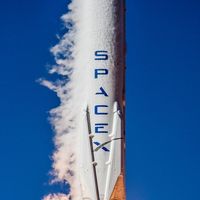
SpaceX shattered records with its $75 billion initial public offering. The firm now commands a $1.77 trillion valuation. Shares began Nasdaq trading at $135. This positions SpaceX as the seventh most valuable US-listed company. It outranks tech giants and financial powerhouses. The IPO drew significant retail investor interest. This historic event unfolds amidst analyst skepticism regarding profitability. SpaceX pursues ambitious goals: multiplanetary life, global Starlink connectivity, and advanced AI. Its market opportunity is vast. This move reshapes the aerospace and tech landscapes. The company's future trajectory is now under intense market scrutiny.
SpaceX launched onto the public market. It delivered a historic initial public offering. The event unfolded on December 6, 2026. This IPO set new benchmarks. Elon Musk's enterprise raised an astonishing $75 billion. This sum represents the largest US IPO ever recorded.
The offering priced shares at $135 each. Investors eagerly acquired 555.56 million shares. This massive capital injection propelled SpaceX's valuation. The company is now worth $1.77 trillion. This valuation surpassed its $1.75 trillion target. It redefined what an IPO can achieve. The previous record stood with Saudi Aramco's 2019 offering. Aramco raised $25.6 billion. Its inflation-adjusted value hit $2.21 trillion. SpaceX now claims its own unprecedented territory.
Shares commenced trading on the Nasdaq. SpaceX immediately joined an elite group. It became the seventh most valuable US-listed company. This ranking places it above established behemoths. Tech titans like Meta Platforms and Tesla now trail it. Financial powerhouses such as JPMorgan Chase and Berkshire Hathaway are also surpassed. Even pharmaceutical giant Eli Lilly falls behind. SpaceX's market capitalization is undeniable.
This financial milestone arrives with intriguing paradoxes. SpaceX reported losses last year. Its revenue has not yet outpaced expenditure. Analysts express caution. Market watchers remain skeptical. A near-$2 trillion valuation seems optimistic to many. Morningstar researchers suggest this figure only makes sense in a "best-case scenario."
This best-case outcome requires monumental achievements. SpaceX must profit from its data center satellites. These satellites will orbit Earth. Its spacecraft must achieve true reusability. They cannot combust. These engineering feats are unprecedented. Experts do not anticipate them until at least 2028. The company’s trajectory is ambitious.
Despite these caveats, market hype is potent. Elon Musk’s personal brand carries immense weight. His reputation turns heads globally. His ventures garner significant attention. This public interest fuels investor enthusiasm. It drives valuations higher.
The IPO structure was distinctive. SpaceX allocated 30% of its shares to retail buyers. This percentage is unusually high. It signals a shift in investor focus. Many view this as a democratic approach. The company bypassed traditional roadshows. Pricing was set before extensive investor negotiations. This decision challenged conventional IPO processes. It sparked debate among market veterans.
One expert noted the uncharted territory. Price discovery typically guides IPO terms. SpaceX announced its price directly. This move highlighted the emphasis on retail participation. Such investors often prioritize access. They are less sensitive to intricate pricing mechanisms. Musk also pushed for early index inclusion. This strategy aims for a broader buyer base.
SpaceX's governance structure ensures strong founder control. Elon Musk retains 82% of the company's voting power. This structure allows him to steer the company's long-term vision. His influence remains paramount.
The IPO reflects a broader market trend. The US IPO market is poised for a significant rebound in 2026. Earlier volatility is fading. Goldman Sachs forecasts quadrupled proceeds. They predict $160 billion for the year. This pipeline includes other highly anticipated offerings. Artificial intelligence firms like OpenAI and Anthropic are expected.
SpaceX envisions an expansive future. Its declared market opportunity spans $28.5 trillion. The company calls this the largest in human history. This vision drives its aggressive growth. It aims to make life multiplanetary. It seeks to understand the universe. It wants to extend consciousness to the stars.
The company's operations are multifaceted. Its space launch division dominates. It accounts for over 80% of mass launched into orbit. This represents the past three years. Starlink, its internet unit, connects millions. Customers span 164 countries. These include consumers, enterprises, and governments. SpaceX is also a major AI provider. It recently secured a multi-year cloud services agreement with Google. This partnership supports its technological ambitions.
The IPO marks a defining moment. It legitimizes a trillion-dollar valuation for a space company. It cements SpaceX's position. The firm is a leader in aerospace innovation. It is a disruptor in satellite communications. It is a key player in artificial intelligence. Its impact on global markets is profound. The journey ahead for SpaceX promises continued innovation. It also guarantees intense scrutiny. The market watches its next moves. Its mission remains clear. The stars are not the limit. They are merely the beginning.
SpaceX launched onto the public market. It delivered a historic initial public offering. The event unfolded on December 6, 2026. This IPO set new benchmarks. Elon Musk's enterprise raised an astonishing $75 billion. This sum represents the largest US IPO ever recorded.
The offering priced shares at $135 each. Investors eagerly acquired 555.56 million shares. This massive capital injection propelled SpaceX's valuation. The company is now worth $1.77 trillion. This valuation surpassed its $1.75 trillion target. It redefined what an IPO can achieve. The previous record stood with Saudi Aramco's 2019 offering. Aramco raised $25.6 billion. Its inflation-adjusted value hit $2.21 trillion. SpaceX now claims its own unprecedented territory.
Shares commenced trading on the Nasdaq. SpaceX immediately joined an elite group. It became the seventh most valuable US-listed company. This ranking places it above established behemoths. Tech titans like Meta Platforms and Tesla now trail it. Financial powerhouses such as JPMorgan Chase and Berkshire Hathaway are also surpassed. Even pharmaceutical giant Eli Lilly falls behind. SpaceX's market capitalization is undeniable.
This financial milestone arrives with intriguing paradoxes. SpaceX reported losses last year. Its revenue has not yet outpaced expenditure. Analysts express caution. Market watchers remain skeptical. A near-$2 trillion valuation seems optimistic to many. Morningstar researchers suggest this figure only makes sense in a "best-case scenario."
This best-case outcome requires monumental achievements. SpaceX must profit from its data center satellites. These satellites will orbit Earth. Its spacecraft must achieve true reusability. They cannot combust. These engineering feats are unprecedented. Experts do not anticipate them until at least 2028. The company’s trajectory is ambitious.
Despite these caveats, market hype is potent. Elon Musk’s personal brand carries immense weight. His reputation turns heads globally. His ventures garner significant attention. This public interest fuels investor enthusiasm. It drives valuations higher.
The IPO structure was distinctive. SpaceX allocated 30% of its shares to retail buyers. This percentage is unusually high. It signals a shift in investor focus. Many view this as a democratic approach. The company bypassed traditional roadshows. Pricing was set before extensive investor negotiations. This decision challenged conventional IPO processes. It sparked debate among market veterans.
One expert noted the uncharted territory. Price discovery typically guides IPO terms. SpaceX announced its price directly. This move highlighted the emphasis on retail participation. Such investors often prioritize access. They are less sensitive to intricate pricing mechanisms. Musk also pushed for early index inclusion. This strategy aims for a broader buyer base.
SpaceX's governance structure ensures strong founder control. Elon Musk retains 82% of the company's voting power. This structure allows him to steer the company's long-term vision. His influence remains paramount.
The IPO reflects a broader market trend. The US IPO market is poised for a significant rebound in 2026. Earlier volatility is fading. Goldman Sachs forecasts quadrupled proceeds. They predict $160 billion for the year. This pipeline includes other highly anticipated offerings. Artificial intelligence firms like OpenAI and Anthropic are expected.
SpaceX envisions an expansive future. Its declared market opportunity spans $28.5 trillion. The company calls this the largest in human history. This vision drives its aggressive growth. It aims to make life multiplanetary. It seeks to understand the universe. It wants to extend consciousness to the stars.
The company's operations are multifaceted. Its space launch division dominates. It accounts for over 80% of mass launched into orbit. This represents the past three years. Starlink, its internet unit, connects millions. Customers span 164 countries. These include consumers, enterprises, and governments. SpaceX is also a major AI provider. It recently secured a multi-year cloud services agreement with Google. This partnership supports its technological ambitions.
The IPO marks a defining moment. It legitimizes a trillion-dollar valuation for a space company. It cements SpaceX's position. The firm is a leader in aerospace innovation. It is a disruptor in satellite communications. It is a key player in artificial intelligence. Its impact on global markets is profound. The journey ahead for SpaceX promises continued innovation. It also guarantees intense scrutiny. The market watches its next moves. Its mission remains clear. The stars are not the limit. They are merely the beginning.