SpaceX IPO Faces Sky-High Ambition, Grounded Valuation Concerns
June 6, 2026, 3:36 am
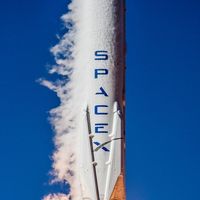



SpaceX prepares for its anticipated Initial Public Offering (IPO) amidst a significant valuation divide. Morningstar analysts project a $780 billion valuation, drastically below Elon Musk's target range of $1.7-$2 trillion. Central to this discrepancy are uncertainties surrounding SpaceX's artificial intelligence (AI) ventures, including xAI and Grok, and the long-term prospects of its Starlink satellite internet service. Intense competition, technological hurdles, and unclear economic models plague these key divisions. While Goldman Sachs offers optimistic revenue forecasts, they remain contingent on exponential AI growth. Musk champions an unprecedented push for retail investor participation, including a special UK retail offer. Yet, market analysts caution investors, suggesting potential overvaluation and future selling pressures.
SpaceX gears up for a landmark public offering. The company seeks a valuation between $1.7 trillion and $2 trillion. This ambitious target sets the stage for a market debut attracting global attention. Elon Musk's enterprise, known for its aerospace innovation, plans to list on Nasdaq under the ticker SPCX.
However, a stark contrast in valuation has emerged. Morningstar analysts recently slashed their assessment of SpaceX. They peg the company's value at $780 billion. This figure stands roughly 48 percent below SpaceX's reported private market valuation. The gap is substantial. It signals significant disagreement on the company's true worth as it approaches the public market.
The core of Morningstar's skepticism lies in SpaceX's burgeoning artificial intelligence business. This includes xAI and the Grok AI model, alongside the social media platform X. Analysts cite unclear economic models for these ventures. Fierce competition from established rivals like OpenAI and Anthropic poses a material threat. Grok, specifically, has not demonstrated significant performance advantages over leading peers. This hinders its ability to gain meaningful market share. Experts suggest these AI endeavors could lead to value destruction rather than creation.
Unproven technologies further compound these concerns. SpaceX's plans for orbital data centers raise red flags. Analysts question the underlying infrastructure and economics of such concepts. They argue these technologies remain unproven at commercial scale. Billions invested could yield no workable solution. This adds another layer of technological uncertainty to SpaceX's future revenue streams.
Starlink, SpaceX's satellite broadband division, also faces scrutiny. Despite its current position as a global market leader, Starlink is not immune to challenges. Technological uncertainties exist beyond SpaceX's direct control. Telecom approval hurdles present additional obstacles. Future competition from aerospace firms like Blue Origin looms. These factors could cool investor interest in Starlink's long-term growth.
Goldman Sachs presents a different, albeit contingent, outlook. Its projections suggest a high valuation is possible. This hinges on an explosive surge in AI division revenues. Goldman anticipates AI revenue to skyrocket to $322 billion by 2030, from $3.2 billion in 2025. This represents a monumental 100-fold increase. Total SpaceX revenue is projected to hit $474 billion by 2030, up from $18.7 billion. These lofty forecasts underscore aggressive bets on the AI boom.
However, even Goldman Sachs strikes a similar chord to Morningstar regarding Starlink. Goldman projects Starlink revenue at $144 billion by 2030. This figure is less than half the predicted revenue from the AI business. For the AI growth to materialize, Grok must surpass top labs like OpenAI. This includes fields such as coding, chatbots, and cybersecurity. Morningstar holds little confidence in Grok's ability to achieve such dominance.
Past issues within Musk's AI ventures fuel some concerns. Reports indicate a high turnover among xAI co-founders. Grok's performance has been underwhelming. Consumer and corporate subscriptions have plateaued. A 300-megawatt data center, Colossus 1, built to compete, became underutilized. This occurred after Grok failed to gain serious traction. These operational setbacks highlight the challenges in scaling a competitive AI product.
Elon Musk is known for his unconventional strategies. His approach to the SpaceX IPO is no exception. He seeks to reserve a significant portion of the float for individual investors. Up to a quarter of the anticipated $75 billion offering could go to retail buyers. This marks the largest retail allocation ever attempted in a megacap IPO. Musk reportedly prefers individual investors over traditional Wall Street institutions. A dedicated IPO website highlights the importance of retail participation.
International retail investors will also gain access. A specific UK retail offer is planned. This bucks long-standing rules that typically exclude them from US IPOs. Marex Financial will act as a 'middleman.' It will facilitate access for UK investment platforms and brokers. Platforms like AJ Bell, Hargreaves Lansdown, Interactive Investor, and eToro will offer shares. This broad retail access aims to democratize investment in the space pioneer.
Despite the excitement, Morningstar urges caution. The firm maintains SpaceX is significantly overvalued at its target price. Analysts anticipate an initial ascent in share price post-IPO. However, they expect a plateau thereafter. Selling pressure may weigh on shares in subsequent months. This occurs as successive tranches of stock held by private investors and employees become available. Long-term investors may find better entry points. They could secure shares with a greater margin of safety later on.
Morningstar's track record supports this cautious stance. The firm is known for cutting through market hype. In 2021, it issued a conservative estimate for Coinbase shares. This occurred amid the crypto craze. Coinbase shares later collapsed well below both the initial and Morningstar's fair value. This historical accuracy adds weight to its current SpaceX assessment.
SpaceX stands at a critical juncture. Its IPO promises immense opportunity. Yet, it carries substantial risks. The battle between ambitious valuations and grounded analyst assessments defines this moment. The future success of its AI division and Starlink remains pivotal. Retail investors, drawn by Musk's vision, must weigh the potential rewards against the significant uncertainties. The market awaits to see if SpaceX will truly send investors into orbit or bring them back to Earth.
SpaceX gears up for a landmark public offering. The company seeks a valuation between $1.7 trillion and $2 trillion. This ambitious target sets the stage for a market debut attracting global attention. Elon Musk's enterprise, known for its aerospace innovation, plans to list on Nasdaq under the ticker SPCX.
However, a stark contrast in valuation has emerged. Morningstar analysts recently slashed their assessment of SpaceX. They peg the company's value at $780 billion. This figure stands roughly 48 percent below SpaceX's reported private market valuation. The gap is substantial. It signals significant disagreement on the company's true worth as it approaches the public market.
The core of Morningstar's skepticism lies in SpaceX's burgeoning artificial intelligence business. This includes xAI and the Grok AI model, alongside the social media platform X. Analysts cite unclear economic models for these ventures. Fierce competition from established rivals like OpenAI and Anthropic poses a material threat. Grok, specifically, has not demonstrated significant performance advantages over leading peers. This hinders its ability to gain meaningful market share. Experts suggest these AI endeavors could lead to value destruction rather than creation.
Unproven technologies further compound these concerns. SpaceX's plans for orbital data centers raise red flags. Analysts question the underlying infrastructure and economics of such concepts. They argue these technologies remain unproven at commercial scale. Billions invested could yield no workable solution. This adds another layer of technological uncertainty to SpaceX's future revenue streams.
Starlink, SpaceX's satellite broadband division, also faces scrutiny. Despite its current position as a global market leader, Starlink is not immune to challenges. Technological uncertainties exist beyond SpaceX's direct control. Telecom approval hurdles present additional obstacles. Future competition from aerospace firms like Blue Origin looms. These factors could cool investor interest in Starlink's long-term growth.
Goldman Sachs presents a different, albeit contingent, outlook. Its projections suggest a high valuation is possible. This hinges on an explosive surge in AI division revenues. Goldman anticipates AI revenue to skyrocket to $322 billion by 2030, from $3.2 billion in 2025. This represents a monumental 100-fold increase. Total SpaceX revenue is projected to hit $474 billion by 2030, up from $18.7 billion. These lofty forecasts underscore aggressive bets on the AI boom.
However, even Goldman Sachs strikes a similar chord to Morningstar regarding Starlink. Goldman projects Starlink revenue at $144 billion by 2030. This figure is less than half the predicted revenue from the AI business. For the AI growth to materialize, Grok must surpass top labs like OpenAI. This includes fields such as coding, chatbots, and cybersecurity. Morningstar holds little confidence in Grok's ability to achieve such dominance.
Past issues within Musk's AI ventures fuel some concerns. Reports indicate a high turnover among xAI co-founders. Grok's performance has been underwhelming. Consumer and corporate subscriptions have plateaued. A 300-megawatt data center, Colossus 1, built to compete, became underutilized. This occurred after Grok failed to gain serious traction. These operational setbacks highlight the challenges in scaling a competitive AI product.
Elon Musk is known for his unconventional strategies. His approach to the SpaceX IPO is no exception. He seeks to reserve a significant portion of the float for individual investors. Up to a quarter of the anticipated $75 billion offering could go to retail buyers. This marks the largest retail allocation ever attempted in a megacap IPO. Musk reportedly prefers individual investors over traditional Wall Street institutions. A dedicated IPO website highlights the importance of retail participation.
International retail investors will also gain access. A specific UK retail offer is planned. This bucks long-standing rules that typically exclude them from US IPOs. Marex Financial will act as a 'middleman.' It will facilitate access for UK investment platforms and brokers. Platforms like AJ Bell, Hargreaves Lansdown, Interactive Investor, and eToro will offer shares. This broad retail access aims to democratize investment in the space pioneer.
Despite the excitement, Morningstar urges caution. The firm maintains SpaceX is significantly overvalued at its target price. Analysts anticipate an initial ascent in share price post-IPO. However, they expect a plateau thereafter. Selling pressure may weigh on shares in subsequent months. This occurs as successive tranches of stock held by private investors and employees become available. Long-term investors may find better entry points. They could secure shares with a greater margin of safety later on.
Morningstar's track record supports this cautious stance. The firm is known for cutting through market hype. In 2021, it issued a conservative estimate for Coinbase shares. This occurred amid the crypto craze. Coinbase shares later collapsed well below both the initial and Morningstar's fair value. This historical accuracy adds weight to its current SpaceX assessment.
SpaceX stands at a critical juncture. Its IPO promises immense opportunity. Yet, it carries substantial risks. The battle between ambitious valuations and grounded analyst assessments defines this moment. The future success of its AI division and Starlink remains pivotal. Retail investors, drawn by Musk's vision, must weigh the potential rewards against the significant uncertainties. The market awaits to see if SpaceX will truly send investors into orbit or bring them back to Earth.