Starship Grounded: FAA Halts SpaceX Launches After Booster Failure
June 1, 2026, 3:40 am
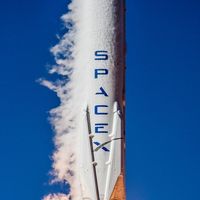
SpaceX's latest Starship Flight 12 faced a significant anomaly. The Super Heavy booster failed spectacularly. Its engines cut out post-separation. It crashed uncontrolled into the Gulf of Mexico. The Starship upper stage performed well. It deployed mock satellites. It completed a controlled splashdown in the Indian Ocean. Regulator assessment initially deferred a "mishap" declaration. However, the Federal Aviation Administration swiftly reversed course. Days after the flight, the FAA formally grounded Starship. All future launches are now on hold. An extensive investigation is mandatory. This pause impacts NASA's lunar ambitions. It also delays SpaceX's long-term Mars goals. Resolution of the booster issue is paramount. Resumption of flights requires strict FAA approval.
SpaceX's Starship program faces a critical pause. Regulators grounded the mega-rocket. A recent test flight sparked the decision. The Federal Aviation Administration acted swiftly. This move halts all upcoming Starship missions. A mandatory investigation is now underway.
The Starship Flight 12 mission launched on May 22, 2026. It took off from Starbase, Texas. This was a Version 3 rocket. It featured significant upgrades. New Raptor engines powered the vehicle. A new launch tower also debuted. The initial ascent seemed promising.
Then, trouble struck the Super Heavy booster. It separated from the upper stage as planned. Its 33 Raptor engines then cut out. A controlled return became impossible. The booster plunged into Gulf of Mexico waters. It crashed like an uncontrolled missile. A planned hover and splashdown never occurred. This booster anomaly triggered immediate concern.
The Starship upper stage, however, performed well. It completed its suborbital flight. Several satellite simulators deployed successfully. The upper stage made a controlled landing. It splashed down in the Indian Ocean. This occurred off the west coast of Australia. One of its six Raptor engines failed. Still, the mission met its upper stage objectives.
Initially, the FAA maintained a cautious stance. On May 26, 2026, no mishap declaration existed. The agency acknowledged the booster anomaly. It noted the crash over the Gulf. No public injury or property damage was reported. All booster debris fell within the designated hazard area. Air traffic saw minimal disruption. Six departure delays occurred. Five airborne holding events were noted. No aircraft diversions were necessary. This initial assessment left open immediate future flights. SpaceX could potentially proceed. Mission 13 seemed possible soon.
However, the regulatory landscape shifted quickly. By May 27, 2026, the FAA announced a decisive action. Starship launches were formally put on hold. The FAA declared a "mishap." This determination stemmed from the booster's performance. The mega-rocket’s first-stage failure prompted it. A comprehensive investigation is now mandatory. The FAA will oversee this probe.
Past Starship incidents led to groundings. Early 2025 saw upper stage explosions. Those events created vast debris fields. They caused significant delays. SpaceX ended that year with successes. Three missions performed mostly well. But this latest grounding is different. It targets a new version of the rocket. It addresses a specific booster control issue.
The grounding presents a challenge. SpaceX aims for ambitious goals. Starship is designed for crewed Mars missions. It represents the future of space exploration. NASA relies on Starship too. The agency plans lunar astronaut landings. This could happen as soon as 2028. Starship would help build a lunar base. Any delays impact these timelines.
The investigation will scrutinize the booster's failure. Engineers must identify the root cause. Was it an engine issue? A control system malfunction? Software error? The findings are crucial. Corrective actions must be implemented. Only then can Starship fly again. FAA approval is paramount.
This iterative development process is common. Spaceflight is inherently risky. Test flights push boundaries. Anomalies provide vital data. Each failure informs future designs. SpaceX has a history of learning from setbacks. The company often innovates quickly. But regulatory oversight remains steadfast. Public safety is the FAA's priority.
The Starship program represents immense engineering effort. It pushes material science. It advances propulsion technology. Its sheer scale is unprecedented. The current pause allows for deep analysis. It ensures rigorous safety protocols. The path to Mars and the Moon is long. It involves technical hurdles. It demands regulatory diligence.
SpaceX continues its work. Teams will analyze telemetry. They will review flight data. They will implement necessary changes. The goal remains unchanged: reliable space transport. The FAA's role is critical. It balances innovation with safety. The Starship future depends on this balance. The next flight awaits regulatory clearance.
SpaceX's Starship program faces a critical pause. Regulators grounded the mega-rocket. A recent test flight sparked the decision. The Federal Aviation Administration acted swiftly. This move halts all upcoming Starship missions. A mandatory investigation is now underway.
The Starship Flight 12 mission launched on May 22, 2026. It took off from Starbase, Texas. This was a Version 3 rocket. It featured significant upgrades. New Raptor engines powered the vehicle. A new launch tower also debuted. The initial ascent seemed promising.
Then, trouble struck the Super Heavy booster. It separated from the upper stage as planned. Its 33 Raptor engines then cut out. A controlled return became impossible. The booster plunged into Gulf of Mexico waters. It crashed like an uncontrolled missile. A planned hover and splashdown never occurred. This booster anomaly triggered immediate concern.
The Starship upper stage, however, performed well. It completed its suborbital flight. Several satellite simulators deployed successfully. The upper stage made a controlled landing. It splashed down in the Indian Ocean. This occurred off the west coast of Australia. One of its six Raptor engines failed. Still, the mission met its upper stage objectives.
Initially, the FAA maintained a cautious stance. On May 26, 2026, no mishap declaration existed. The agency acknowledged the booster anomaly. It noted the crash over the Gulf. No public injury or property damage was reported. All booster debris fell within the designated hazard area. Air traffic saw minimal disruption. Six departure delays occurred. Five airborne holding events were noted. No aircraft diversions were necessary. This initial assessment left open immediate future flights. SpaceX could potentially proceed. Mission 13 seemed possible soon.
However, the regulatory landscape shifted quickly. By May 27, 2026, the FAA announced a decisive action. Starship launches were formally put on hold. The FAA declared a "mishap." This determination stemmed from the booster's performance. The mega-rocket’s first-stage failure prompted it. A comprehensive investigation is now mandatory. The FAA will oversee this probe.
Past Starship incidents led to groundings. Early 2025 saw upper stage explosions. Those events created vast debris fields. They caused significant delays. SpaceX ended that year with successes. Three missions performed mostly well. But this latest grounding is different. It targets a new version of the rocket. It addresses a specific booster control issue.
The grounding presents a challenge. SpaceX aims for ambitious goals. Starship is designed for crewed Mars missions. It represents the future of space exploration. NASA relies on Starship too. The agency plans lunar astronaut landings. This could happen as soon as 2028. Starship would help build a lunar base. Any delays impact these timelines.
The investigation will scrutinize the booster's failure. Engineers must identify the root cause. Was it an engine issue? A control system malfunction? Software error? The findings are crucial. Corrective actions must be implemented. Only then can Starship fly again. FAA approval is paramount.
This iterative development process is common. Spaceflight is inherently risky. Test flights push boundaries. Anomalies provide vital data. Each failure informs future designs. SpaceX has a history of learning from setbacks. The company often innovates quickly. But regulatory oversight remains steadfast. Public safety is the FAA's priority.
The Starship program represents immense engineering effort. It pushes material science. It advances propulsion technology. Its sheer scale is unprecedented. The current pause allows for deep analysis. It ensures rigorous safety protocols. The path to Mars and the Moon is long. It involves technical hurdles. It demands regulatory diligence.
SpaceX continues its work. Teams will analyze telemetry. They will review flight data. They will implement necessary changes. The goal remains unchanged: reliable space transport. The FAA's role is critical. It balances innovation with safety. The Starship future depends on this balance. The next flight awaits regulatory clearance.