Trump-Xi Summit Rescheduled: Deeper Currents Beneath Official Reasons
March 27, 2026, 10:42 am
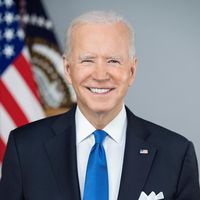
President Trump's China summit with President Xi Jinping is rescheduled for mid-May. The White House cites the ongoing Iran war as the official reason for the delay. Beneath this public explanation, a complex web of factors emerges. Stalled trade negotiations, persistent logistical challenges in planning, and Beijing's strategic discomfort in hosting a US president actively engaged in Middle East conflict all played a role. This significant postponement underscores the intricate and often delicate nature of contemporary US-China diplomatic relations, highlighting persistent friction points beyond immediate geopolitical crises. Both nations navigate a complex global landscape, with the May meeting crucial for stabilizing ties. High-stakes discussions loom.
President Donald Trump will meet Chinese President Xi Jinping. The White House confirmed new dates. The summit in Beijing is set for May 14 and 15. This follows an initial postponement. A reciprocal visit to Washington, D.C., is also planned.
The White House provided a clear reason for the delay. The ongoing Iran war demanded Trump's presence. U.S. and Israeli forces launched strikes against Iran in February. The administration estimated a four to six-week conflict. This timeline aligned with the summit's revised schedule. The official narrative was straightforward: war management dictated the change.
But surface explanations often mask deeper currents. The summit's delay points to complex underlying issues. Bilateral relations faced challenges even before the war. A previous meeting occurred last year. Trump and Xi met in South Korea. They achieved a tactical truce. Certain tariffs eased. China resumed soybean imports. Rare earth export controls were suspended. Fentanyl curbs were stepped up. Both sides called it a cooling-off period.
Working groups formed. They focused on trade, investment, agriculture, security, and technology. These groups met regularly. The initial goal was concrete outcomes. A landmark summit in early 2026 was the target. This would mark Trump's first visit to China since 2017.
Momentum slowed by January. Beijing sent draft proposals. Washington offered little response. Chinese officials grew puzzled. Engagement waned. An investment working group quietly faded. Ambitions narrowed. Doing business with China faced political sensitivity. Beijing felt disappointment. China sought more US investment. This aimed to counter domestic stagnation. It also sought to circumvent US tariffs. Technological isolation was another concern. Chinese companies faced increasing scrutiny in the US.
Logistical hurdles compounded the slowdown. Substantive clashes arose over proposed dates. China initially preferred late April or early May. This allowed more preparation time. It avoided overlapping domestic priorities. The US insisted on March 31 to April 2. Beijing ultimately acquiesced. Reservations remained. Summit planning started late. It appeared disorganized. Chinese disquiet grew for weeks. Their expectations for fruitful outcomes diminished. Simply meeting became a deliverable. Stabilizing ties was the primary hope. The US pushed for a quick summit. Beijing prioritized a well-executed one.
Trade issues also complicated matters. The US pushed for "managed trade." This formalized mechanism sought balanced purchases. Both sides would commit to equal-value transactions. China maintains a massive trade surplus with the US. This creates enduring tension. Recent Paris talks discussed solutions. A "US-China board of trade" was proposed. US Trade Representative Jamieson Greer sought to include it. It aimed for a leaders' deliverable. Details remained largely unsorted. Washington moved slowly on prioritizing Chinese purchases. This effort was complex. The US relied on Chinese components. These supported domestic production and exports. Balancing supply chain security was critical. Distinguishing job-threatening imports from supportive ones was also vital. Managed trade could become a major midterm deliverable. It would ensure China buys more agricultural products and energy. It would also protect the "made in America" agenda. The summit delay offered time. It allowed ironing out these details. Remaining gaps could be closed.
The Iran war’s escalation cast a new shadow. The Strait of Hormuz closed. Global oil flows choked. Prices soared. Trump appealed to China. He sought warships or other support. China imports much Middle Eastern oil. He later retracted the plea. He claimed the US needed no help. But then he suggested it "would be nice" if China, Japan, and South Korea got "involved."
Chinese unease intensified. Hosting Trump amid an active conflict with Iran posed risks. Iran is a Beijing-friendly trading partner. Poor optics were a concern. Potential entanglement loomed.
The question of who initiated the delay remains contentious. Trump publicly claimed the delay. White House statements supported this view. Yet, other perspectives emerged. Some analysts suggested China sought the postponement. Beijing likely preferred not to host a US president during a bombing campaign. Such actions lacked international legal basis. They were not driven by imminent threats. Trump's demand for China to help reopen the Strait of Hormuz transformed the trip. It became a bargaining chip. China might have seen it as a trap. Beijing opted for delay, deflection, and compartmentalization.
Trump also faced domestic political risks. Leaving Washington during a war was politically hazardous. A "failed or unproductive" China trip would be costly. Avoiding diplomatic embarrassment was key. Framing a later summit as a win was easier. This could happen once the war ended, stabilized, or played out further.
Ultimately, both sides saw the summit as vital. It aimed to steady relations. Expectations were high for it to proceed. A "black swan" event could derail it. Past events provided examples. The US shooting down a Chinese balloon in 2023 caused friction. A US spy plane collision with a Chinese jet in 2001 also disrupted ties.
The Iran war-induced delay was not a direct irritant. It did not stir popular bilateral anger. This increased the likelihood of getting relations back on track. China expressed dissatisfaction. Pre-summit preparations moved slowly. US engagement was lacking. Yet, some believed Trump initiated the delay. Chinese leadership recognized the need for guidance. Leader-level meetings are crucial. Relations could drift without regular engagement.
The two sides had planned multiple sit-downs. This reflected great turmoil and uncertainty. Any delay created a knock-on effect. Postponing this summit could affect future planned meetings. Even small achievements in one summit build toward the next.
The summit reset offers a chance. Underlying issues persist. The May meeting is crucial for navigating a complex global landscape. Future stability hinges on these high-stakes engagements between two superpowers. Both nations must find common ground. Their economies are intertwined. Global security depends on their cooperation. The path forward remains intricate. Dialogue is paramount.
President Donald Trump will meet Chinese President Xi Jinping. The White House confirmed new dates. The summit in Beijing is set for May 14 and 15. This follows an initial postponement. A reciprocal visit to Washington, D.C., is also planned.
The White House provided a clear reason for the delay. The ongoing Iran war demanded Trump's presence. U.S. and Israeli forces launched strikes against Iran in February. The administration estimated a four to six-week conflict. This timeline aligned with the summit's revised schedule. The official narrative was straightforward: war management dictated the change.
But surface explanations often mask deeper currents. The summit's delay points to complex underlying issues. Bilateral relations faced challenges even before the war. A previous meeting occurred last year. Trump and Xi met in South Korea. They achieved a tactical truce. Certain tariffs eased. China resumed soybean imports. Rare earth export controls were suspended. Fentanyl curbs were stepped up. Both sides called it a cooling-off period.
Working groups formed. They focused on trade, investment, agriculture, security, and technology. These groups met regularly. The initial goal was concrete outcomes. A landmark summit in early 2026 was the target. This would mark Trump's first visit to China since 2017.
Momentum slowed by January. Beijing sent draft proposals. Washington offered little response. Chinese officials grew puzzled. Engagement waned. An investment working group quietly faded. Ambitions narrowed. Doing business with China faced political sensitivity. Beijing felt disappointment. China sought more US investment. This aimed to counter domestic stagnation. It also sought to circumvent US tariffs. Technological isolation was another concern. Chinese companies faced increasing scrutiny in the US.
Logistical hurdles compounded the slowdown. Substantive clashes arose over proposed dates. China initially preferred late April or early May. This allowed more preparation time. It avoided overlapping domestic priorities. The US insisted on March 31 to April 2. Beijing ultimately acquiesced. Reservations remained. Summit planning started late. It appeared disorganized. Chinese disquiet grew for weeks. Their expectations for fruitful outcomes diminished. Simply meeting became a deliverable. Stabilizing ties was the primary hope. The US pushed for a quick summit. Beijing prioritized a well-executed one.
Trade issues also complicated matters. The US pushed for "managed trade." This formalized mechanism sought balanced purchases. Both sides would commit to equal-value transactions. China maintains a massive trade surplus with the US. This creates enduring tension. Recent Paris talks discussed solutions. A "US-China board of trade" was proposed. US Trade Representative Jamieson Greer sought to include it. It aimed for a leaders' deliverable. Details remained largely unsorted. Washington moved slowly on prioritizing Chinese purchases. This effort was complex. The US relied on Chinese components. These supported domestic production and exports. Balancing supply chain security was critical. Distinguishing job-threatening imports from supportive ones was also vital. Managed trade could become a major midterm deliverable. It would ensure China buys more agricultural products and energy. It would also protect the "made in America" agenda. The summit delay offered time. It allowed ironing out these details. Remaining gaps could be closed.
The Iran war’s escalation cast a new shadow. The Strait of Hormuz closed. Global oil flows choked. Prices soared. Trump appealed to China. He sought warships or other support. China imports much Middle Eastern oil. He later retracted the plea. He claimed the US needed no help. But then he suggested it "would be nice" if China, Japan, and South Korea got "involved."
Chinese unease intensified. Hosting Trump amid an active conflict with Iran posed risks. Iran is a Beijing-friendly trading partner. Poor optics were a concern. Potential entanglement loomed.
The question of who initiated the delay remains contentious. Trump publicly claimed the delay. White House statements supported this view. Yet, other perspectives emerged. Some analysts suggested China sought the postponement. Beijing likely preferred not to host a US president during a bombing campaign. Such actions lacked international legal basis. They were not driven by imminent threats. Trump's demand for China to help reopen the Strait of Hormuz transformed the trip. It became a bargaining chip. China might have seen it as a trap. Beijing opted for delay, deflection, and compartmentalization.
Trump also faced domestic political risks. Leaving Washington during a war was politically hazardous. A "failed or unproductive" China trip would be costly. Avoiding diplomatic embarrassment was key. Framing a later summit as a win was easier. This could happen once the war ended, stabilized, or played out further.
Ultimately, both sides saw the summit as vital. It aimed to steady relations. Expectations were high for it to proceed. A "black swan" event could derail it. Past events provided examples. The US shooting down a Chinese balloon in 2023 caused friction. A US spy plane collision with a Chinese jet in 2001 also disrupted ties.
The Iran war-induced delay was not a direct irritant. It did not stir popular bilateral anger. This increased the likelihood of getting relations back on track. China expressed dissatisfaction. Pre-summit preparations moved slowly. US engagement was lacking. Yet, some believed Trump initiated the delay. Chinese leadership recognized the need for guidance. Leader-level meetings are crucial. Relations could drift without regular engagement.
The two sides had planned multiple sit-downs. This reflected great turmoil and uncertainty. Any delay created a knock-on effect. Postponing this summit could affect future planned meetings. Even small achievements in one summit build toward the next.
The summit reset offers a chance. Underlying issues persist. The May meeting is crucial for navigating a complex global landscape. Future stability hinges on these high-stakes engagements between two superpowers. Both nations must find common ground. Their economies are intertwined. Global security depends on their cooperation. The path forward remains intricate. Dialogue is paramount.