Musk's Terafab: Building the AI Future In-House
March 24, 2026, 3:47 pm

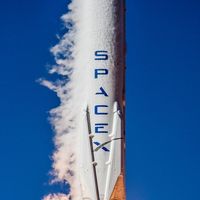
Elon Musk launches Terafab in Texas. This ambitious project unites Tesla, SpaceX, and xAI. Its goal: produce proprietary AI chips internally. The fab will power autonomous vehicles, humanoid robots, and advanced space computing infrastructure. It marks a significant shift towards vertical integration. Musk aims to secure critical silicon for his expanding technological empire. Austin serves as the initial hub. This aligns with Texas's growing advanced semiconductor cluster. Terafab promises to redefine AI hardware development. It reduces reliance on external suppliers. It fuels groundbreaking innovations across multiple industries. This strategic move highlights a long-term commitment to controlling the entire AI stack.
Elon Musk unveils Terafab. The new semiconductor venture takes root in Austin, Texas. Tesla, SpaceX, and xAI join forces. This project aims for internal chip production. It will fuel Musk's expansive technological ecosystem. The focus is on proprietary AI chips. These chips will drive autonomous systems. They will power advanced robotics. They will support futuristic space computing. Terafab represents a bold step towards vertical integration. It seeks to control the entire hardware stack.
Musk envisions a unified chip pipeline. Tesla needs silicon for its Full Self-Driving (FSD) initiatives. Robotaxis demand immense processing power. Optimus, the humanoid robot, requires custom AI. SpaceX targets orbital data centers. xAI's computing demands are massive. Terafab intends to meet these diverse needs. It consolidates chip design and manufacturing. This strategy mitigates future bottlenecks. It ensures a stable supply of advanced hardware.
Vertical integration is the core principle. Companies typically outsource chip production. Musk breaks from this convention. He seeks greater control over technology. This ensures tailored performance. It accelerates innovation cycles. It enhances security. Such an approach reduces dependency on external vendors. It fortifies the entire operational chain. This is a strategic imperative for Musk's vision.
The Austin facility starts as an "advanced technology fab." It will handle various chip types. This site supports production and testing. It marks the first phase of Terafab. The full buildout will be much larger. It demands significant land and power. Austin serves as a critical starting point. It lays the groundwork for future expansion.
Texas emerges as a prime location. The state actively fosters semiconductor manufacturing. The CHIPS Act provides substantial federal support. Samsung already invests heavily in Central Texas. This creates a robust local ecosystem. Musk's Terafab integrates seamlessly into this cluster. It strengthens America's position in advanced chip production. The region becomes a hub for silicon innovation.
Terafab's ambition is immense. Musk targets up to one terawatt of computational power annually. Much of this capacity will serve space AI computing. This highlights the project's long-term scope. It reaches beyond terrestrial applications. It sets the stage for orbital AI infrastructure. The vision is truly interplanetary.
Building a new fab demands vast capital. Tesla projects over $20 billion in capital expenditures for 2026. This includes Cybercab, Optimus, and battery projects. Terafab adds another layer of investment. Tesla holds substantial cash reserves. However, financing options like debt remain open. The company's CFO acknowledges potential capital needs. This underscores the scale of Musk's undertakings.
Tesla's investor narrative is evolving. It shifts from an EV manufacturer to an AI and robotics powerhouse. Autonomous driving and Optimus are key drivers of valuation. Control over proprietary silicon strengthens this narrative. Terafab becomes an essential component of this new story. It showcases a commitment to owning core technologies.
Terafab does not immediately replace existing suppliers. Tesla still designs its AI6 chip. Samsung plans its mass production for late 2027. Nvidia remains a major chip provider. Musk's companies will continue ordering Nvidia chips in high volumes. Terafab complements these relationships. It prepares for future growth. It mitigates future supply chain risks.
Building a modern fab is challenging. It costs tens of billions of dollars. It takes many years. Musk himself lacks a semiconductor manufacturing background. Details like production timelines remain undisclosed. The project faces significant technical hurdles. Successful execution requires immense expertise. It demands unwavering commitment.
Terafab represents a monumental strategic pivot. It solidifies Musk's push for vertical integration. This spans from software and robots to silicon and orbital data centers. The project's full impact will unfold over years. It promises to reshape the landscape of AI hardware. It could redefine the semiconductor industry. It is a defining bet on self-sufficiency.
Elon Musk unveils Terafab. The new semiconductor venture takes root in Austin, Texas. Tesla, SpaceX, and xAI join forces. This project aims for internal chip production. It will fuel Musk's expansive technological ecosystem. The focus is on proprietary AI chips. These chips will drive autonomous systems. They will power advanced robotics. They will support futuristic space computing. Terafab represents a bold step towards vertical integration. It seeks to control the entire hardware stack.
Musk envisions a unified chip pipeline. Tesla needs silicon for its Full Self-Driving (FSD) initiatives. Robotaxis demand immense processing power. Optimus, the humanoid robot, requires custom AI. SpaceX targets orbital data centers. xAI's computing demands are massive. Terafab intends to meet these diverse needs. It consolidates chip design and manufacturing. This strategy mitigates future bottlenecks. It ensures a stable supply of advanced hardware.
Vertical integration is the core principle. Companies typically outsource chip production. Musk breaks from this convention. He seeks greater control over technology. This ensures tailored performance. It accelerates innovation cycles. It enhances security. Such an approach reduces dependency on external vendors. It fortifies the entire operational chain. This is a strategic imperative for Musk's vision.
The Austin facility starts as an "advanced technology fab." It will handle various chip types. This site supports production and testing. It marks the first phase of Terafab. The full buildout will be much larger. It demands significant land and power. Austin serves as a critical starting point. It lays the groundwork for future expansion.
Texas emerges as a prime location. The state actively fosters semiconductor manufacturing. The CHIPS Act provides substantial federal support. Samsung already invests heavily in Central Texas. This creates a robust local ecosystem. Musk's Terafab integrates seamlessly into this cluster. It strengthens America's position in advanced chip production. The region becomes a hub for silicon innovation.
Terafab's ambition is immense. Musk targets up to one terawatt of computational power annually. Much of this capacity will serve space AI computing. This highlights the project's long-term scope. It reaches beyond terrestrial applications. It sets the stage for orbital AI infrastructure. The vision is truly interplanetary.
Building a new fab demands vast capital. Tesla projects over $20 billion in capital expenditures for 2026. This includes Cybercab, Optimus, and battery projects. Terafab adds another layer of investment. Tesla holds substantial cash reserves. However, financing options like debt remain open. The company's CFO acknowledges potential capital needs. This underscores the scale of Musk's undertakings.
Tesla's investor narrative is evolving. It shifts from an EV manufacturer to an AI and robotics powerhouse. Autonomous driving and Optimus are key drivers of valuation. Control over proprietary silicon strengthens this narrative. Terafab becomes an essential component of this new story. It showcases a commitment to owning core technologies.
Terafab does not immediately replace existing suppliers. Tesla still designs its AI6 chip. Samsung plans its mass production for late 2027. Nvidia remains a major chip provider. Musk's companies will continue ordering Nvidia chips in high volumes. Terafab complements these relationships. It prepares for future growth. It mitigates future supply chain risks.
Building a modern fab is challenging. It costs tens of billions of dollars. It takes many years. Musk himself lacks a semiconductor manufacturing background. Details like production timelines remain undisclosed. The project faces significant technical hurdles. Successful execution requires immense expertise. It demands unwavering commitment.
Terafab represents a monumental strategic pivot. It solidifies Musk's push for vertical integration. This spans from software and robots to silicon and orbital data centers. The project's full impact will unfold over years. It promises to reshape the landscape of AI hardware. It could redefine the semiconductor industry. It is a defining bet on self-sufficiency.