Iran War: Trump Declares Victory as Markets Fret Over Oil, Shipping
March 13, 2026, 10:18 am
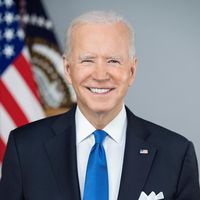

President Trump declares the Iran conflict "very complete." Yet, global markets respond with deep skepticism. Oil prices remain highly volatile. Major indices see mixed movement. Analysts issue strong warnings against hasty investment. They point to significant unresolved issues. Attacks on Middle Eastern oil facilities continue. The critical Strait of Hormuz faces persistent threats. Its secure and immediate reopening is vital for global energy flow. The US administration now considers easing Russian oil sanctions. This move aims to cool soaring energy prices, but carries geopolitical risks. Investors face profound uncertainty. The conflict's true resolution, and market stability, remain distant.
President Donald Trump recently declared the war against Iran "very complete." His administration cites major strides. Military objectives are largely met, he claims. Iran's naval, communication, and air forces are effectively neutralized. This assessment comes well ahead of initial timelines. It suggests a swift conclusion to a conflict that significantly rattled global markets.
Markets, however, show a different picture. Investor caution persists. Optimism following Trump's statements proved short-lived. A market rally occurred briefly. Major indices like the S&P 500 and Nasdaq saw gains. The Dow Jones also rebounded. Yet, underlying anxieties remain. Oil prices exemplify this tension. West Texas Intermediate crude initially soared. It then plummeted after Trump's pronouncements. But volatility dictates the market. Stability remains elusive.
Experienced market analysts urge prudence. They argue the conflict is far from over. A true cessation of hostilities requires tangible action. Mere declarations are not enough. Oil markets cannot normalize under current conditions. Mideast tensions keep energy prices elevated.
Several critical conditions must materialize for market recovery. First, all parties must cease attacks. Targeting oil facilities and desalination plants creates immense risk. Retaliation could easily escalate the conflict. Attacks on Saudi Arabia, Kuwait, or UAE facilities would cripple production. This would send oil prices soaring again. Global supply would suffer immediate, severe shocks.
Second, Iran must ensure the Strait of Hormuz remains open. This vital waterway is a global chokepoint. Roughly 20% of the world's oil transits through it. The war rendered the Strait "all but shut." Recent reports indicate some movement. But security remains paramount. Insuring tankers is not enough. As long as vessels face targeting, commerce will falter. No insurer can guarantee safety in a war zone. The Strait's freedom from attack is non-negotiable for global trade.
Third, the Strait needs to reopen swiftly. Protracted closures cause long-term damage. Supply chains reconfigure. Production patterns shift. The global economy cannot absorb extended disruption. A prompt return to normal operations is essential. This prevents enduring economic scars.
Finally, an "off-ramp" is needed for the US administration. President Trump needs a clear path to declare victory. Iran's abandonment of nuclear ambitions could provide this. Such a pledge would offer a diplomatic win. It would allow for a definitive end to military operations. Without it, the conflict lingers in a grey zone.
The Strait of Hormuz exemplifies the conflict's global impact. Its closure or severe disruption carries immense consequences. Oil and liquefied natural gas flows are immediately affected. Economies worldwide feel the pinch. Trump's administration considers "taking it over." Such a move would carry significant geopolitical weight. It could stabilize shipping but also risks further escalation. This chokepoint's fate is central to global energy security.
The war's energy ripple effects extend further. Initial attacks sent oil prices above $100. This spurred a desperate search for alternatives. The US administration now weighs easing oil sanctions on Russia. This drastic measure seeks to cool global energy prices. It aims to offset massive Middle East supply disruptions.
This decision presents a complex dilemma. Easing sanctions boosts world oil supplies. It could bring much-needed relief to consumers. But it also risks undermining efforts. Russia relies on oil revenue. Those funds fuel its war in Ukraine. Providing financial reprieve could complicate US foreign policy.
Discussions include broad sanctions relief. More targeted options are also on the table. Specific countries, like India, could receive exemptions. They might purchase Russian oil without fear of US penalties. India has already received temporary waivers. This move highlights the urgency of global energy stabilization. The White House indicates a strong game plan. Energy markets remain a top priority.
Despite presidential declarations, global markets show deep reservations. Investor uncertainty remains high. The full implications of "Operation Epic Fury" are still unfolding. The Middle East conflict has altered the geopolitical landscape. It continues to reshape global energy markets.
Volatility defines the current investment climate. Investors must exercise extreme caution. Winners and losers will emerge. But the risk of being in the "loser column" is substantial. This holds true if the US fails to extricate itself. It holds true if oil prices refuse to stabilize.
The true resolution of the Iran war remains distant. Political rhetoric clashes with economic realities. Global markets await concrete evidence of lasting peace. Energy supply stability is paramount. Secure shipping routes are vital. Until these conditions are met, uncertainty will reign. The world watches, waiting for a definitive end to the conflict's profound impact.
President Donald Trump recently declared the war against Iran "very complete." His administration cites major strides. Military objectives are largely met, he claims. Iran's naval, communication, and air forces are effectively neutralized. This assessment comes well ahead of initial timelines. It suggests a swift conclusion to a conflict that significantly rattled global markets.
Markets, however, show a different picture. Investor caution persists. Optimism following Trump's statements proved short-lived. A market rally occurred briefly. Major indices like the S&P 500 and Nasdaq saw gains. The Dow Jones also rebounded. Yet, underlying anxieties remain. Oil prices exemplify this tension. West Texas Intermediate crude initially soared. It then plummeted after Trump's pronouncements. But volatility dictates the market. Stability remains elusive.
Experienced market analysts urge prudence. They argue the conflict is far from over. A true cessation of hostilities requires tangible action. Mere declarations are not enough. Oil markets cannot normalize under current conditions. Mideast tensions keep energy prices elevated.
Several critical conditions must materialize for market recovery. First, all parties must cease attacks. Targeting oil facilities and desalination plants creates immense risk. Retaliation could easily escalate the conflict. Attacks on Saudi Arabia, Kuwait, or UAE facilities would cripple production. This would send oil prices soaring again. Global supply would suffer immediate, severe shocks.
Second, Iran must ensure the Strait of Hormuz remains open. This vital waterway is a global chokepoint. Roughly 20% of the world's oil transits through it. The war rendered the Strait "all but shut." Recent reports indicate some movement. But security remains paramount. Insuring tankers is not enough. As long as vessels face targeting, commerce will falter. No insurer can guarantee safety in a war zone. The Strait's freedom from attack is non-negotiable for global trade.
Third, the Strait needs to reopen swiftly. Protracted closures cause long-term damage. Supply chains reconfigure. Production patterns shift. The global economy cannot absorb extended disruption. A prompt return to normal operations is essential. This prevents enduring economic scars.
Finally, an "off-ramp" is needed for the US administration. President Trump needs a clear path to declare victory. Iran's abandonment of nuclear ambitions could provide this. Such a pledge would offer a diplomatic win. It would allow for a definitive end to military operations. Without it, the conflict lingers in a grey zone.
The Strait of Hormuz exemplifies the conflict's global impact. Its closure or severe disruption carries immense consequences. Oil and liquefied natural gas flows are immediately affected. Economies worldwide feel the pinch. Trump's administration considers "taking it over." Such a move would carry significant geopolitical weight. It could stabilize shipping but also risks further escalation. This chokepoint's fate is central to global energy security.
The war's energy ripple effects extend further. Initial attacks sent oil prices above $100. This spurred a desperate search for alternatives. The US administration now weighs easing oil sanctions on Russia. This drastic measure seeks to cool global energy prices. It aims to offset massive Middle East supply disruptions.
This decision presents a complex dilemma. Easing sanctions boosts world oil supplies. It could bring much-needed relief to consumers. But it also risks undermining efforts. Russia relies on oil revenue. Those funds fuel its war in Ukraine. Providing financial reprieve could complicate US foreign policy.
Discussions include broad sanctions relief. More targeted options are also on the table. Specific countries, like India, could receive exemptions. They might purchase Russian oil without fear of US penalties. India has already received temporary waivers. This move highlights the urgency of global energy stabilization. The White House indicates a strong game plan. Energy markets remain a top priority.
Despite presidential declarations, global markets show deep reservations. Investor uncertainty remains high. The full implications of "Operation Epic Fury" are still unfolding. The Middle East conflict has altered the geopolitical landscape. It continues to reshape global energy markets.
Volatility defines the current investment climate. Investors must exercise extreme caution. Winners and losers will emerge. But the risk of being in the "loser column" is substantial. This holds true if the US fails to extricate itself. It holds true if oil prices refuse to stabilize.
The true resolution of the Iran war remains distant. Political rhetoric clashes with economic realities. Global markets await concrete evidence of lasting peace. Energy supply stability is paramount. Secure shipping routes are vital. Until these conditions are met, uncertainty will reign. The world watches, waiting for a definitive end to the conflict's profound impact.