FCC Regulator Blasts Amazon's Lagging Satellite Fleet Amid SpaceX Dispute
March 13, 2026, 3:36 pm


Location: United States, District of Columbia, Washington
Employees: 1001-5000
Founded date: 1934
Total raised: $1.43B
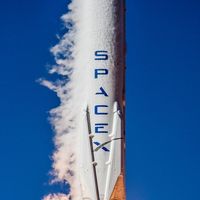
FCC Chairman Brendan Carr criticized Amazon's slow satellite deployment. Amazon faces a key 2026 deadline. It seeks an extension. Amazon also opposed SpaceX's bold plan for 1 million orbital data center satellites. Carr quickly dismissed Amazon's objections. He supported SpaceX's ambitious vision. This intensifying low Earth orbit satellite race creates significant regulatory conflict. Issues like space debris, light pollution, and market control fuel the high-stakes battle. This clash defines future access to space internet.
The low Earth orbit (LEO) satellite race escalates. A major regulatory body now weighs in. The Federal Communications Commission (FCC) Chairman Brendan Carr attacked Amazon. He criticized its slow progress in satellite deployment. This comes as Amazon opposed a massive SpaceX (Starlink) proposal. The conflict highlights growing tensions in space internet.
Amazon's Project Kuiper faces challenges. The company struggles to meet critical deadlines. It must deploy roughly 1,600 internet satellites. The deadline is July 2026. Amazon will fall short. It expects to miss the target by about 1,000 satellites. This significant shortfall prompts action. Amazon requested an extension. It seeks an additional 24 months. The new deadline would be July 2028. Amazon cited external factors. Rocket shortages played a role. Manufacturing disruptions also impacted progress. The company claims these delays were beyond its control. The FCC has granted similar waivers previously. Last month, the FCC approved Amazon's plan. It allowed deployment of an additional 4,500 internet satellites. This would greatly expand its Kuiper constellation.
Meanwhile, SpaceX pushes aggressive plans. Elon Musk's company seeks permission for an ambitious project. It proposes a constellation of up to 1 million LEO satellites. These satellites would serve as orbital data centers. They would support artificial intelligence (AI) projects. SpaceX's Starlink service already dominates. It leads the internet-from-space market. Starlink boasts around 9,000 satellites in orbit. It serves roughly 9 million customers globally. The FCC recently authorized 7,500 more Starlink satellites.
Amazon directly challenged SpaceX's new proposal. It urged the FCC to reject the application. Amazon called the plan a "lofty ambition." It labeled it "not a real plan." Amazon argued SpaceX provided scant details. It questioned how SpaceX would "deliver on these grand claims." This opposition marks a fierce competitive stance. Amazon has invested over $10 billion in Project Kuiper. It aims to rival Starlink. Amazon has launched approximately 200 satellites since last April. It uses various launch partners, including SpaceX itself.
Amazon's petition raised serious concerns. It cited warnings from scientists. These warnings relate to vast satellite constellations. Issues include light pollution. Orbital debris poses a major threat. Environmental groups also voice worries. A "Kessler syndrome" scenario is possible. This chain reaction of debris could render LEO unusable. Amazon's filing mentioned potential monopolization of space resources. It warned of "international backlash." Such a large constellation could distort global spectrum coordination. It might lend regulatory legitimacy to what Amazon called a "publicity exercise."
FCC Chairman Brendan Carr did not mince words. He publicly rebuked Amazon. Carr stated Amazon should focus on its own deployment. He suggested "getting Amazon's house in order." Carr dismissed Amazon's petition against SpaceX. He does not expect it to gain "much traction." Carr has a history of supporting SpaceX. He has often downplayed environmental concerns. These concerns sometimes follow SpaceX launches. He once accused the FCC itself of "regulatory harassment" against SpaceX. This occurred when Starlink's rural broadband service was deemed unfit. Carr's comments underscore his strong position.
The dispute highlights critical issues. The burgeoning LEO satellite industry faces growing pains. Orbital congestion is a key problem. More satellites mean more risk. Each launch adds to the density. Scientists fear the long-term impact. Astronomical observations suffer from light pollution. The sheer number of objects creates hazards. Collision avoidance becomes more complex. Regulatory frameworks struggle to keep pace. International cooperation is essential. Yet, national interests often conflict.
The race for space internet dominance continues. Amazon's Project Kuiper seeks its footing. SpaceX's Starlink expands relentlessly. The FCC acts as arbiter. Its decisions shape the future. Billions of dollars are at stake. Global connectivity hangs in the balance. The orbital environment faces unprecedented pressures. This regulatory confrontation is not merely a bureaucratic skirmish. It defines access to vital new infrastructure. It impacts the sustainability of space itself. The outcome will resonate across industries. It will affect millions of users worldwide. The battle for the skies intensifies.
The low Earth orbit (LEO) satellite race escalates. A major regulatory body now weighs in. The Federal Communications Commission (FCC) Chairman Brendan Carr attacked Amazon. He criticized its slow progress in satellite deployment. This comes as Amazon opposed a massive SpaceX (Starlink) proposal. The conflict highlights growing tensions in space internet.
Amazon's Project Kuiper faces challenges. The company struggles to meet critical deadlines. It must deploy roughly 1,600 internet satellites. The deadline is July 2026. Amazon will fall short. It expects to miss the target by about 1,000 satellites. This significant shortfall prompts action. Amazon requested an extension. It seeks an additional 24 months. The new deadline would be July 2028. Amazon cited external factors. Rocket shortages played a role. Manufacturing disruptions also impacted progress. The company claims these delays were beyond its control. The FCC has granted similar waivers previously. Last month, the FCC approved Amazon's plan. It allowed deployment of an additional 4,500 internet satellites. This would greatly expand its Kuiper constellation.
Meanwhile, SpaceX pushes aggressive plans. Elon Musk's company seeks permission for an ambitious project. It proposes a constellation of up to 1 million LEO satellites. These satellites would serve as orbital data centers. They would support artificial intelligence (AI) projects. SpaceX's Starlink service already dominates. It leads the internet-from-space market. Starlink boasts around 9,000 satellites in orbit. It serves roughly 9 million customers globally. The FCC recently authorized 7,500 more Starlink satellites.
Amazon directly challenged SpaceX's new proposal. It urged the FCC to reject the application. Amazon called the plan a "lofty ambition." It labeled it "not a real plan." Amazon argued SpaceX provided scant details. It questioned how SpaceX would "deliver on these grand claims." This opposition marks a fierce competitive stance. Amazon has invested over $10 billion in Project Kuiper. It aims to rival Starlink. Amazon has launched approximately 200 satellites since last April. It uses various launch partners, including SpaceX itself.
Amazon's petition raised serious concerns. It cited warnings from scientists. These warnings relate to vast satellite constellations. Issues include light pollution. Orbital debris poses a major threat. Environmental groups also voice worries. A "Kessler syndrome" scenario is possible. This chain reaction of debris could render LEO unusable. Amazon's filing mentioned potential monopolization of space resources. It warned of "international backlash." Such a large constellation could distort global spectrum coordination. It might lend regulatory legitimacy to what Amazon called a "publicity exercise."
FCC Chairman Brendan Carr did not mince words. He publicly rebuked Amazon. Carr stated Amazon should focus on its own deployment. He suggested "getting Amazon's house in order." Carr dismissed Amazon's petition against SpaceX. He does not expect it to gain "much traction." Carr has a history of supporting SpaceX. He has often downplayed environmental concerns. These concerns sometimes follow SpaceX launches. He once accused the FCC itself of "regulatory harassment" against SpaceX. This occurred when Starlink's rural broadband service was deemed unfit. Carr's comments underscore his strong position.
The dispute highlights critical issues. The burgeoning LEO satellite industry faces growing pains. Orbital congestion is a key problem. More satellites mean more risk. Each launch adds to the density. Scientists fear the long-term impact. Astronomical observations suffer from light pollution. The sheer number of objects creates hazards. Collision avoidance becomes more complex. Regulatory frameworks struggle to keep pace. International cooperation is essential. Yet, national interests often conflict.
The race for space internet dominance continues. Amazon's Project Kuiper seeks its footing. SpaceX's Starlink expands relentlessly. The FCC acts as arbiter. Its decisions shape the future. Billions of dollars are at stake. Global connectivity hangs in the balance. The orbital environment faces unprecedented pressures. This regulatory confrontation is not merely a bureaucratic skirmish. It defines access to vital new infrastructure. It impacts the sustainability of space itself. The outcome will resonate across industries. It will affect millions of users worldwide. The battle for the skies intensifies.