Europe Embraces Satellite Direct-to-Cell: A New Era for Mobile Connectivity
March 3, 2026, 3:56 am
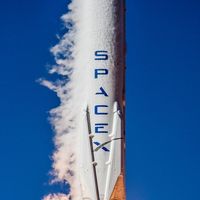
European telecommunications giants are forging new frontiers in mobile connectivity. Virgin Media O2 just launched O2 Satellite in the UK, providing direct-to-smartphone service via Starlink. This closes rural coverage 'not-spots' for immediate essential communication. Separately, Deutsche Telekom partnered with Starlink for a major 2028 rollout across ten European nations, targeting comprehensive mobile and broadband access. These strategic alliances leverage SpaceX's LEO satellite technology. They signify a monumental shift. Mobile users will gain ubiquitous connectivity, bringing crucial services to remote regions and transforming global communication paradigms. The satellite direct-to-cell era is here, promising reliable access everywhere.
The global mobile landscape is changing. Satellite technology now reaches smartphones directly. This marks a significant evolution for telecommunications. Europe stands at the forefront of this shift. Two major European carriers recently unveiled ambitious plans. They aim to deliver ubiquitous mobile connectivity. This will bridge long-standing coverage gaps. SpaceX's Starlink plays a central role in this revolution. Its low Earth orbit (LEO) satellite network is the backbone. The future of mobile communication looks different. Access will soon be global.
Virgin Media O2 leads with an immediate launch. O2 Satellite is now live in the UK. It offers direct-to-smartphone service. This tackles rural "not-spots." Customers connect via SpaceX’s Starlink Direct to Cell network. The service is seamless. Compatible phones switch automatically when ground signal fails. No special apps or setup are required. This extends UK landmass coverage. It jumps from 89% to 95%. That is a substantial expansion for mobile connectivity.
Initial service focuses on essential communication. Messaging apps like WhatsApp and Messenger are supported. Navigation tools such as Google Maps also work. Weather updates are available. This is not for high-bandwidth streaming. It ensures basic communication in critical areas. Current device support is limited. Latest Samsung Galaxy S25 models are first. More devices will follow. A monthly bolt-on costs £3. Ultimate Plan customers may get it free. This makes satellite access affordable. It positions satellite direct-to-cell as a core utility.
Meanwhile, Deutsche Telekom announced a broader European strategy. The German telecom giant partners with Starlink. They will launch satellite mobile service across ten European countries. This massive rollout begins in 2028. It targets challenging topographies. Areas with nature conservation needs are also included. The partnership is groundbreaking. It will utilize Starlink’s advanced second-generation (V2) satellites. These V2 satellites promise enhanced capabilities for European telecom.
The Deutsche Telekom service aims wider. It will expand data, voice, and messaging. Broadband access will also reach mobile phones directly. This promises truly comprehensive mobile connectivity. Countries include Germany, Austria, Poland, Hungary, Czech Republic, Slovakia, Greece, Croatia, Montenegro, and North Macedonia. This vast regional expansion underscores a commitment. Reliable mobile access will extend across the continent. This partnership is a significant long-term investment in global connectivity.
SpaceX’s Starlink network is pivotal. It underpins these European initiatives. Starlink operates a vast constellation of LEO satellites. Over 9,000 satellites are currently in orbit. This number continues to grow. The U.S. FCC recently approved 7,500 more V2 satellites. Starlink already serves millions of customers globally. Its direct-to-cell technology is revolutionary. It broadcasts using a portion of licensed mobile spectrum. This makes satellites an extension of existing ground networks. It eliminates the need for specialized satellite phones. Standard handsets connect directly to the Starlink network.
The financial world watches SpaceX closely. The company is reportedly preparing for a blockbuster IPO. Valuations could reach $1.5 trillion. This reflects immense confidence. Starlink's potential drives much of that valuation. Its LEO network disrupts traditional telecom. It offers high-speed, low-latency internet from space. Direct-to-cell service adds another crucial layer. It ensures basic communication everywhere, even in remote areas and "not-spots."
This new satellite direct-to-cell capability has profound implications. Rural communities gain reliable access. Emergency services benefit immensely. Hikers, sailors, and remote workers find new safety. "Not-spots" become connected zones. The digital divide shrinks. Governments and businesses see new opportunities. Universal mobile access becomes a tangible goal.
The technological shift is rapid. LEO satellites transform communication infrastructure. They offer resilience and reach. Traditional ground networks have limitations. Satellite complements them perfectly. It ensures continuity where fiber or towers are impractical. This hybrid approach is the future of mobile connectivity. It blends terrestrial and orbital assets seamlessly.
Challenges remain. Device compatibility needs to expand significantly beyond initial models. Initial bandwidth will be limited for some high-demand services. Regulatory frameworks must adapt. Global coordination is essential for spectrum use. However, the trajectory is clear. Satellite-to-phone is no longer a niche concept. It is becoming mainstream, driving a new era of ubiquitous access.
The European push signals a new era. Virgin Media O2 and Deutsche Telekom are paving the way. Their Starlink partnerships are transformative. They promise ubiquitous mobile access. The world moves closer to constant connectivity. No longer will vast regions be silent. The satellite revolution is now ringing. It connects everyone, everywhere, shaping the future of global communication.
The global mobile landscape is changing. Satellite technology now reaches smartphones directly. This marks a significant evolution for telecommunications. Europe stands at the forefront of this shift. Two major European carriers recently unveiled ambitious plans. They aim to deliver ubiquitous mobile connectivity. This will bridge long-standing coverage gaps. SpaceX's Starlink plays a central role in this revolution. Its low Earth orbit (LEO) satellite network is the backbone. The future of mobile communication looks different. Access will soon be global.
Virgin Media O2 leads with an immediate launch. O2 Satellite is now live in the UK. It offers direct-to-smartphone service. This tackles rural "not-spots." Customers connect via SpaceX’s Starlink Direct to Cell network. The service is seamless. Compatible phones switch automatically when ground signal fails. No special apps or setup are required. This extends UK landmass coverage. It jumps from 89% to 95%. That is a substantial expansion for mobile connectivity.
Initial service focuses on essential communication. Messaging apps like WhatsApp and Messenger are supported. Navigation tools such as Google Maps also work. Weather updates are available. This is not for high-bandwidth streaming. It ensures basic communication in critical areas. Current device support is limited. Latest Samsung Galaxy S25 models are first. More devices will follow. A monthly bolt-on costs £3. Ultimate Plan customers may get it free. This makes satellite access affordable. It positions satellite direct-to-cell as a core utility.
Meanwhile, Deutsche Telekom announced a broader European strategy. The German telecom giant partners with Starlink. They will launch satellite mobile service across ten European countries. This massive rollout begins in 2028. It targets challenging topographies. Areas with nature conservation needs are also included. The partnership is groundbreaking. It will utilize Starlink’s advanced second-generation (V2) satellites. These V2 satellites promise enhanced capabilities for European telecom.
The Deutsche Telekom service aims wider. It will expand data, voice, and messaging. Broadband access will also reach mobile phones directly. This promises truly comprehensive mobile connectivity. Countries include Germany, Austria, Poland, Hungary, Czech Republic, Slovakia, Greece, Croatia, Montenegro, and North Macedonia. This vast regional expansion underscores a commitment. Reliable mobile access will extend across the continent. This partnership is a significant long-term investment in global connectivity.
SpaceX’s Starlink network is pivotal. It underpins these European initiatives. Starlink operates a vast constellation of LEO satellites. Over 9,000 satellites are currently in orbit. This number continues to grow. The U.S. FCC recently approved 7,500 more V2 satellites. Starlink already serves millions of customers globally. Its direct-to-cell technology is revolutionary. It broadcasts using a portion of licensed mobile spectrum. This makes satellites an extension of existing ground networks. It eliminates the need for specialized satellite phones. Standard handsets connect directly to the Starlink network.
The financial world watches SpaceX closely. The company is reportedly preparing for a blockbuster IPO. Valuations could reach $1.5 trillion. This reflects immense confidence. Starlink's potential drives much of that valuation. Its LEO network disrupts traditional telecom. It offers high-speed, low-latency internet from space. Direct-to-cell service adds another crucial layer. It ensures basic communication everywhere, even in remote areas and "not-spots."
This new satellite direct-to-cell capability has profound implications. Rural communities gain reliable access. Emergency services benefit immensely. Hikers, sailors, and remote workers find new safety. "Not-spots" become connected zones. The digital divide shrinks. Governments and businesses see new opportunities. Universal mobile access becomes a tangible goal.
The technological shift is rapid. LEO satellites transform communication infrastructure. They offer resilience and reach. Traditional ground networks have limitations. Satellite complements them perfectly. It ensures continuity where fiber or towers are impractical. This hybrid approach is the future of mobile connectivity. It blends terrestrial and orbital assets seamlessly.
Challenges remain. Device compatibility needs to expand significantly beyond initial models. Initial bandwidth will be limited for some high-demand services. Regulatory frameworks must adapt. Global coordination is essential for spectrum use. However, the trajectory is clear. Satellite-to-phone is no longer a niche concept. It is becoming mainstream, driving a new era of ubiquitous access.
The European push signals a new era. Virgin Media O2 and Deutsche Telekom are paving the way. Their Starlink partnerships are transformative. They promise ubiquitous mobile access. The world moves closer to constant connectivity. No longer will vast regions be silent. The satellite revolution is now ringing. It connects everyone, everywhere, shaping the future of global communication.