NASA Astronaut Mike Fincke: First Space Station Medical Evacuation Revealed
March 2, 2026, 3:36 am

Location: United States
Employees: 10001+
Founded date: 1958
Total raised: $25.7B
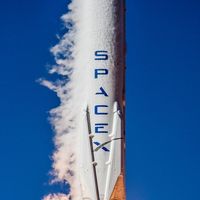
Astronaut Mike Fincke identified himself as the catalyst for NASA's inaugural space station medical evacuation. A sudden medical event in orbit necessitated prompt intervention from his crewmates. This incident led to an expedited return for his SpaceX mission from the International Space Station in January 2026. While his condition stabilized swiftly, the decision prioritized access to advanced medical diagnostic capabilities unavailable in space. Fincke, a seasoned space veteran with extensive orbital experience, reports full recovery. This unprecedented event underscores the intricate challenges of astronaut health in extreme environments. It highlights the critical importance of robust in-flight medical protocols, cutting-edge onboard diagnostics, and seamless Earth-based support systems. The incident reaffirms NASA's unwavering commitment to astronaut safety, emphasizing proactive measures and rapid response readiness for future deep-space exploration.
Astronaut Mike Fincke ended the mystery. He identified himself. His medical condition prompted a historic first. It led to NASA's first space station medical evacuation. This revelation came from Fincke through a written statement. The 58-year-old veteran astronaut spoke out. His identification closes a chapter of speculation. It provides crucial clarity.
The medical incident unfolded last January. Fincke was aboard the International Space Station. His health condition required immediate attention. Fellow astronauts responded swiftly. Ground-based flight surgeons provided critical guidance. Their combined efforts stabilized his condition quickly.
Fincke emphasized a crucial point. His situation was not an emergency. It was serious. It demanded a proactive response. The priority was advanced medical imaging. Such essential technology simply does not exist on the space station. The decision for an early return was a precaution. It ensured thorough diagnosis and comprehensive care on Earth.
The SpaceX mission ended early. It was designated Crew-11. Its return happened January 15, 2026. The mission was originally scheduled to conclude in May. All four astronauts aboard returned to Earth. A controlled splashdown occurred in the Pacific Ocean.
Immediate post-splashdown care followed. The crew traveled to a San Diego hospital. Further medical assessment took place there. They then flew home to Houston. This rapid transport highlighted an integrated medical response network. It spanned from orbit to Earth.
Fincke previously mentioned onboard tools. The International Space Station's ultrasound machine proved invaluable. It offered essential preliminary insights during his crisis. This diagnostic capability is basic by Earth standards. Yet, it is vital in space. It helped guide early intervention efforts by the crew.
However, the onboard ultrasound has limitations. It provides only part of the full picture. Comprehensive evaluation needs more. Earth-based facilities offer advanced imaging technologies. MRI, CT scans, and specialized consultations are readily available. These are crucial for complex medical issues. The diagnostic gap between orbital and terrestrial medical technology is stark.
Mike Fincke is a highly decorated astronaut. He joined NASA in 1996. He retired as an Air Force colonel. He has flown four space missions. His total time in space stands at 549 days. This extensive experience offers a unique perspective. He deeply understands the challenges of human spaceflight.
This event underscores critical aspects of space medicine. Human physiology undergoes profound changes in microgravity. Bone density loss is common. Muscle atrophy occurs. Vision problems can develop. Cardiovascular adaptations present risks. Radiation exposure is a constant concern. Managing these complex health impacts in orbit is a continuous challenge for NASA.
Space station medical kits are robust. They contain a variety of medications. They hold basic surgical instruments. They offer resuscitation equipment. Yet, they cannot replicate a fully equipped hospital. Remote diagnosis relies heavily on telemedicine. Ground doctors provide guidance. They interpret limited orbital data to make informed decisions.
The need for advanced diagnostics is clear. A full array of imaging is impossible in space now. The sheer size and power requirements are prohibitive. Developing miniature, radiation-hardened diagnostic tools is a major research area. Such innovations are vital for future long-duration deep space missions.
NASA continuously refines its emergency protocols. Every space incident offers critical learning opportunities. This specific medical evacuation will inform future procedures. It will improve response mechanisms. It enhances safety standards for all astronauts in orbit.
Future missions aim further into space. Artemis plans lunar missions. Martian expeditions are on the horizon. These journeys will be even more remote than the ISS. An Earth return will not be a feasible option. Astronauts will need higher levels of medical self-sufficiency.
Enhanced onboard medical facilities become imperative. Future spacecraft might include more advanced diagnostic units. Perhaps even robotic surgical aids could be developed. Artificial intelligence could assist with diagnoses. It could guide complex medical interventions far from Earth.
Astronaut training already prepares crews for medical crises. They learn basic emergency procedures. They practice administering aid to crewmates. The mental fortitude required is immense. Crew cohesion and mutual support are equally important for success. Fincke's crew demonstrated exceptional teamwork during his medical event.
Resource allocation on spacecraft is always tight. Every gram, every cubic centimeter counts significantly. Integrating more medical equipment means inevitable trade-offs. It impacts scientific payload. It affects crew provisions. Finding the optimal balance between capability and constraint is a constant challenge for mission planners.
The collaboration behind this medical evacuation was extensive. NASA, SpaceX, and global medical teams worked together seamlessly. This intricate coordination highlights modern space operations. It shows strong international partnerships in space exploration and safety.
Fincke's transparency is commendable. It fosters public trust in space programs. It demystifies certain aspects of spaceflight risks. It reminds everyone of the human element involved. Even seasoned astronauts face health challenges in the extreme orbital environment.
The incident marks a new benchmark. It sets a precedent for medical evacuations from orbit. It emphasizes a proactive stance on astronaut health and safety. NASA remains committed to its crews. Crew well-being is the top priority for all missions. Space exploration pushes human and medical limits. This event reinforces the need for continuous innovation. It ensures the safest possible journey into the cosmos.
Astronaut Mike Fincke ended the mystery. He identified himself. His medical condition prompted a historic first. It led to NASA's first space station medical evacuation. This revelation came from Fincke through a written statement. The 58-year-old veteran astronaut spoke out. His identification closes a chapter of speculation. It provides crucial clarity.
The medical incident unfolded last January. Fincke was aboard the International Space Station. His health condition required immediate attention. Fellow astronauts responded swiftly. Ground-based flight surgeons provided critical guidance. Their combined efforts stabilized his condition quickly.
Fincke emphasized a crucial point. His situation was not an emergency. It was serious. It demanded a proactive response. The priority was advanced medical imaging. Such essential technology simply does not exist on the space station. The decision for an early return was a precaution. It ensured thorough diagnosis and comprehensive care on Earth.
The SpaceX mission ended early. It was designated Crew-11. Its return happened January 15, 2026. The mission was originally scheduled to conclude in May. All four astronauts aboard returned to Earth. A controlled splashdown occurred in the Pacific Ocean.
Immediate post-splashdown care followed. The crew traveled to a San Diego hospital. Further medical assessment took place there. They then flew home to Houston. This rapid transport highlighted an integrated medical response network. It spanned from orbit to Earth.
Fincke previously mentioned onboard tools. The International Space Station's ultrasound machine proved invaluable. It offered essential preliminary insights during his crisis. This diagnostic capability is basic by Earth standards. Yet, it is vital in space. It helped guide early intervention efforts by the crew.
However, the onboard ultrasound has limitations. It provides only part of the full picture. Comprehensive evaluation needs more. Earth-based facilities offer advanced imaging technologies. MRI, CT scans, and specialized consultations are readily available. These are crucial for complex medical issues. The diagnostic gap between orbital and terrestrial medical technology is stark.
Mike Fincke is a highly decorated astronaut. He joined NASA in 1996. He retired as an Air Force colonel. He has flown four space missions. His total time in space stands at 549 days. This extensive experience offers a unique perspective. He deeply understands the challenges of human spaceflight.
This event underscores critical aspects of space medicine. Human physiology undergoes profound changes in microgravity. Bone density loss is common. Muscle atrophy occurs. Vision problems can develop. Cardiovascular adaptations present risks. Radiation exposure is a constant concern. Managing these complex health impacts in orbit is a continuous challenge for NASA.
Space station medical kits are robust. They contain a variety of medications. They hold basic surgical instruments. They offer resuscitation equipment. Yet, they cannot replicate a fully equipped hospital. Remote diagnosis relies heavily on telemedicine. Ground doctors provide guidance. They interpret limited orbital data to make informed decisions.
The need for advanced diagnostics is clear. A full array of imaging is impossible in space now. The sheer size and power requirements are prohibitive. Developing miniature, radiation-hardened diagnostic tools is a major research area. Such innovations are vital for future long-duration deep space missions.
NASA continuously refines its emergency protocols. Every space incident offers critical learning opportunities. This specific medical evacuation will inform future procedures. It will improve response mechanisms. It enhances safety standards for all astronauts in orbit.
Future missions aim further into space. Artemis plans lunar missions. Martian expeditions are on the horizon. These journeys will be even more remote than the ISS. An Earth return will not be a feasible option. Astronauts will need higher levels of medical self-sufficiency.
Enhanced onboard medical facilities become imperative. Future spacecraft might include more advanced diagnostic units. Perhaps even robotic surgical aids could be developed. Artificial intelligence could assist with diagnoses. It could guide complex medical interventions far from Earth.
Astronaut training already prepares crews for medical crises. They learn basic emergency procedures. They practice administering aid to crewmates. The mental fortitude required is immense. Crew cohesion and mutual support are equally important for success. Fincke's crew demonstrated exceptional teamwork during his medical event.
Resource allocation on spacecraft is always tight. Every gram, every cubic centimeter counts significantly. Integrating more medical equipment means inevitable trade-offs. It impacts scientific payload. It affects crew provisions. Finding the optimal balance between capability and constraint is a constant challenge for mission planners.
The collaboration behind this medical evacuation was extensive. NASA, SpaceX, and global medical teams worked together seamlessly. This intricate coordination highlights modern space operations. It shows strong international partnerships in space exploration and safety.
Fincke's transparency is commendable. It fosters public trust in space programs. It demystifies certain aspects of spaceflight risks. It reminds everyone of the human element involved. Even seasoned astronauts face health challenges in the extreme orbital environment.
The incident marks a new benchmark. It sets a precedent for medical evacuations from orbit. It emphasizes a proactive stance on astronaut health and safety. NASA remains committed to its crews. Crew well-being is the top priority for all missions. Space exploration pushes human and medical limits. This event reinforces the need for continuous innovation. It ensures the safest possible journey into the cosmos.