NASA Halts Starliner Crew Flights Amid Deep Scrutiny
February 23, 2026, 4:14 pm

Location: United States
Employees: 10001+
Founded date: 1916
Total raised: $25.01B

Location: United States
Employees: 10001+
Founded date: 1958
Total raised: $25.7B
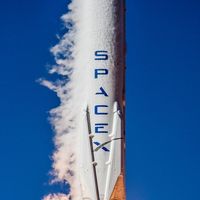
Boeing's Starliner spacecraft faces deep scrutiny. NASA will not fly crews again until critical technical flaws are fixed. Astronauts were stranded on the ISS for nine months. NASA declared the mission a "Type A" mishap. Agency leadership is under fire. Commercial spaceflight reliability is now paramount.
NASA has grounded Boeing's Starliner spacecraft. No more crews will fly on the capsule. Not until core technical issues are fully understood and eliminated. This directive comes from NASA Administrator Jared Isaacman. The agency demands clear resolutions. Safety is the top priority.
Starliner's history is troubled. It faced difficulties in both uncrewed and recent crewed missions. The latest crewed flight proved problematic. Technical challenges emerged during docking. Multiple engines failed as the capsule approached the International Space Station. This event raised alarms.
The sole crewed Starliner flight occurred in summer 2024. Two NASA astronauts were aboard. Butch Wilmore and Sunita Williams were the crew. They expected a one-week stay. Their visit extended significantly. The astronauts remained on the ISS for over nine months. This unexpected delay highlighted severe mission flaws.
The Starliner capsule eventually returned to Earth. It flew back empty. The stranded astronauts needed another ride. They returned on a SpaceX Crew Dragon. This marked a stark contrast. SpaceX's vehicle successfully brought them home.
NASA now admits past errors. The agency's goal of having two astronaut transport operators influenced decisions. This impacted engineering and operational choices. It was especially true during and immediately after the mission. Isaacman states NASA is correcting these mistakes.
The June 2024 orbital incident received a severe classification. NASA designated it a Category A mishap. This is the agency's most serious incident rating. It signifies significant spacecraft damage or crew risk. The move underscores the gravity of Starliner's problems.
NASA seeks accountability. Agency leadership will face consequences. The aim is to prevent future recurrences. Cooperation with Boeing is expected. Boeing must address its failures.
An independent investigative group formed in February 2025. It studied Starliner's issues. The group examined technical, organizational, and cultural factors. These elements contributed to the problems. Their findings are critical for moving forward.
The Space Flight Safety Advisory Panel weighed in. They argued NASA should have declared an "off-nominal situation." This should have happened during the flight. A "potentially high-attention hazardous incident" declaration was also recommended. This applies to the problematic docking.
Root cause analysis continues. Specialists identified combined factors. Equipment failures played a role. Skill gaps were evident. Leadership errors also contributed. Cultural differences created unsafe conditions. These factors collectively fell short of NASA's safety standards for human spaceflight.
Last autumn, NASA scaled back Starliner missions. Fewer flights will carry astronauts to the ISS. The next Boeing flight will be uncrewed. This decision reflects ongoing concerns. It prioritizes safety over schedule.
Boeing has incurred massive costs. Tens of millions were spent on fixes. The program has accumulated roughly $2 billion in charges since 2016. Financial burdens mount for the aerospace giant.
NASA also reduced the contract's total value. It dropped to $3.7 billion. The number of planned Starliner flights decreased from six to four. Boeing's engineering struggles continue. This timeline approaches the ISS's planned retirement in 2030.
The report details significant dysfunction. It reveals heated emotions. Communication breakdowns occurred. Unprofessional behavior marked the struggle. NASA and Boeing disagreed on safe crew return.
Administrator Isaacman issued strong criticism. He lambasted Boeing. He also criticized agency leadership. Their handling of the Starliner mission was poor. A 300-page report supported his statements. It detailed technical and oversight failures.
NASA's decision to release the report is rare. A redacted version was made public. Former NASA officials praised this transparency. Astronauts also lauded the move. This agency office often portrays collaborations positively. This disclosure broke that pattern.
The Commercial Crew Program initiated Starliner's development. It also funded SpaceX's Dragon capsule. The program mandated two U.S. vehicles. This ensured redundancy for astronaut transport. It served as a backup system.
SpaceX's Dragon capsule boasts a strong record. It has flown over 13 crews for NASA since 2020. No mission failures have occurred. This positions SpaceX as a prominent U.S. space program contractor. Its reliability is undisputed.
Isaacman himself has ties to SpaceX. He was a Dragon program customer. He funded private missions. He has criticized large government contractors. Boeing is one such entity. Delays and over-budget programs draw his ire. The Pentagon shares this view. Isaacman's ties previously concerned lawmakers.
The Starliner debacle casts a long shadow. It questions commercial spaceflight safety. NASA must ensure rigorous oversight. Contractors must deliver reliable systems. Human lives depend on it.
The path forward for Starliner remains uncertain. Extensive testing is essential. All identified flaws must be rectified. Only then can trust be rebuilt. The future of a second commercial crew provider hangs in the balance.
NASA's commitment to safety is paramount. Lessons learned from Starliner are critical. These experiences will shape future space endeavors. They will guide upcoming missions. They must prevent similar failures. The agency's reputation and astronaut lives are at stake. This incident demands thorough reform.
NASA has grounded Boeing's Starliner spacecraft. No more crews will fly on the capsule. Not until core technical issues are fully understood and eliminated. This directive comes from NASA Administrator Jared Isaacman. The agency demands clear resolutions. Safety is the top priority.
Starliner's history is troubled. It faced difficulties in both uncrewed and recent crewed missions. The latest crewed flight proved problematic. Technical challenges emerged during docking. Multiple engines failed as the capsule approached the International Space Station. This event raised alarms.
The sole crewed Starliner flight occurred in summer 2024. Two NASA astronauts were aboard. Butch Wilmore and Sunita Williams were the crew. They expected a one-week stay. Their visit extended significantly. The astronauts remained on the ISS for over nine months. This unexpected delay highlighted severe mission flaws.
The Starliner capsule eventually returned to Earth. It flew back empty. The stranded astronauts needed another ride. They returned on a SpaceX Crew Dragon. This marked a stark contrast. SpaceX's vehicle successfully brought them home.
NASA now admits past errors. The agency's goal of having two astronaut transport operators influenced decisions. This impacted engineering and operational choices. It was especially true during and immediately after the mission. Isaacman states NASA is correcting these mistakes.
The June 2024 orbital incident received a severe classification. NASA designated it a Category A mishap. This is the agency's most serious incident rating. It signifies significant spacecraft damage or crew risk. The move underscores the gravity of Starliner's problems.
NASA seeks accountability. Agency leadership will face consequences. The aim is to prevent future recurrences. Cooperation with Boeing is expected. Boeing must address its failures.
An independent investigative group formed in February 2025. It studied Starliner's issues. The group examined technical, organizational, and cultural factors. These elements contributed to the problems. Their findings are critical for moving forward.
The Space Flight Safety Advisory Panel weighed in. They argued NASA should have declared an "off-nominal situation." This should have happened during the flight. A "potentially high-attention hazardous incident" declaration was also recommended. This applies to the problematic docking.
Root cause analysis continues. Specialists identified combined factors. Equipment failures played a role. Skill gaps were evident. Leadership errors also contributed. Cultural differences created unsafe conditions. These factors collectively fell short of NASA's safety standards for human spaceflight.
Last autumn, NASA scaled back Starliner missions. Fewer flights will carry astronauts to the ISS. The next Boeing flight will be uncrewed. This decision reflects ongoing concerns. It prioritizes safety over schedule.
Boeing has incurred massive costs. Tens of millions were spent on fixes. The program has accumulated roughly $2 billion in charges since 2016. Financial burdens mount for the aerospace giant.
NASA also reduced the contract's total value. It dropped to $3.7 billion. The number of planned Starliner flights decreased from six to four. Boeing's engineering struggles continue. This timeline approaches the ISS's planned retirement in 2030.
The report details significant dysfunction. It reveals heated emotions. Communication breakdowns occurred. Unprofessional behavior marked the struggle. NASA and Boeing disagreed on safe crew return.
Administrator Isaacman issued strong criticism. He lambasted Boeing. He also criticized agency leadership. Their handling of the Starliner mission was poor. A 300-page report supported his statements. It detailed technical and oversight failures.
NASA's decision to release the report is rare. A redacted version was made public. Former NASA officials praised this transparency. Astronauts also lauded the move. This agency office often portrays collaborations positively. This disclosure broke that pattern.
The Commercial Crew Program initiated Starliner's development. It also funded SpaceX's Dragon capsule. The program mandated two U.S. vehicles. This ensured redundancy for astronaut transport. It served as a backup system.
SpaceX's Dragon capsule boasts a strong record. It has flown over 13 crews for NASA since 2020. No mission failures have occurred. This positions SpaceX as a prominent U.S. space program contractor. Its reliability is undisputed.
Isaacman himself has ties to SpaceX. He was a Dragon program customer. He funded private missions. He has criticized large government contractors. Boeing is one such entity. Delays and over-budget programs draw his ire. The Pentagon shares this view. Isaacman's ties previously concerned lawmakers.
The Starliner debacle casts a long shadow. It questions commercial spaceflight safety. NASA must ensure rigorous oversight. Contractors must deliver reliable systems. Human lives depend on it.
The path forward for Starliner remains uncertain. Extensive testing is essential. All identified flaws must be rectified. Only then can trust be rebuilt. The future of a second commercial crew provider hangs in the balance.
NASA's commitment to safety is paramount. Lessons learned from Starliner are critical. These experiences will shape future space endeavors. They will guide upcoming missions. They must prevent similar failures. The agency's reputation and astronaut lives are at stake. This incident demands thorough reform.