Trump's Greenland Gambit: Tariffs, Courts, and Critical Minerals
January 22, 2026, 3:53 am
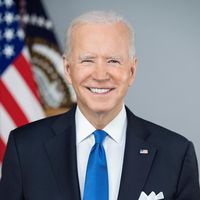
President Trump's pursuit of Greenland escalates. He wields tariff threats against NATO nations to secure the Arctic territory. This aggressive stance directly challenges the Supreme Court's impending decision on his emergency tariff powers (IEEPA). A ruling against him could invalidate his current strategy. However, Trump possesses an alternative: Section 232, focusing on national security and critical minerals. Greenland's vast, untouched mineral resources are central to this geopolitical play. Denmark and Greenland staunchly refuse any sale. The ongoing legal and diplomatic struggle reshapes U.S. trade policy and international relations, fostering deep uncertainty across global markets and alliances.
President Trump intensifies his push to acquire Greenland. He views the immense Arctic island as a vital national security asset. This strategic ambition fuels a new wave of aggressive foreign policy. The U.S. seeks control of Greenland. This move aims to counter rising influence from China and Russia in the Arctic region.
Trump employs his signature tactic: tariffs. He threatens NATO countries with escalating import duties. A 10% tariff looms for February 1, potentially rising to 25% by June 1. These threats target eight European nations. Their purpose is clear: coerce a deal for Greenland.
This bold strategy faces immediate legal scrutiny. Many of Trump’s prior tariffs relied on the International Emergency Economic Powers Act (IEEPA). The Supreme Court is poised to rule on the legality of these IEEPA-based tariffs. This decision carries immense weight for Trump’s current threats.
A Supreme Court ruling against the administration on IEEPA could dismantle the legal basis for his Greenland tariffs. Trade attorneys warn of this critical juncture. They state that such a decision would render any IEEPA-derived tariffs illegal. This would force a quick legal challenge from affected companies.
Treasury Secretary Scott Bessent downplays this risk. He asserts the Supreme Court is unlikely to overturn Trump’s emergency powers. However, administration officials indicate new tariffs would proceed regardless of the court’s outcome. This suggests a prepared alternative legal pathway.
That alternative is Section 232 of the Trade Expansion Act of 1962. This powerful tool allows tariffs based on national security concerns. Trump has already invoked Section 232. He used it in a recent proclamation concerning critical minerals. This policy directive signals a path forward.
Greenland is a treasure trove of critical minerals. These include rare earths essential for modern technology and defense. The Section 232 proclamation directs negotiations for secure mineral supplies. It explicitly reserves the right to impose import restrictions, including tariffs, if agreements fail.
This Section 232 strategy offers a robust legal foundation. It bypasses the IEEPA controversy entirely. Analysts confirm its independent authority. They note Section 232 tariffs would not stack upon IEEPA tariffs. It provides a distinct, unaffected mechanism for presidential trade action.
Trump’s comments reinforce his resolve. He links tariffs for Greenland to broader trade demands. He suggests a "most favored nations" approach for drug prices, backed by tariff threats. Greenland falls under the same assertive trade philosophy.
Greenland and Denmark remain resolute. They assert the territory is not for sale. Official delegations, after meeting with U.S. leaders, report "fundamental disagreement." Their consistent stance challenges the core of Trump’s acquisition push.
The U.S. already maintains a military base in Greenland. This presence underscores existing security interests. However, Trump demands outright ownership. He cites China and Russia as threats in the strategically vital Arctic. Ownership, he argues, enhances national security.
Trump’s administration previously explored various options. These included military involvement and purchasing the island. Each approach met firm resistance. The tariff threats represent the latest, most aggressive tactic in this persistent pursuit.
This geopolitical struggle carries significant implications for NATO. The alliance members, potential targets of these tariffs, face an unprecedented challenge. U.S. trade policy appears increasingly decoupled from traditional allied relations. This strains long-standing partnerships.
The Supreme Court’s decision on IEEPA will define presidential authority. It will clarify the limits of executive power in trade matters. This ruling will shape future administrations’ ability to levy tariffs. Its impact extends far beyond the Greenland issue.
Regardless of the IEEPA outcome, Trump’s pursuit of Greenland will likely continue. His administration prepares multiple legal avenues. The combination of national security claims and critical mineral needs provides strong justification for tariffs under Section 232.
The global trade landscape remains volatile. Trump’s expanded use of tariffs has already raised the average tariff rate significantly. This trend is set to continue. Businesses importing from threatened countries face mounting uncertainty and potential cost increases.
This high-stakes standoff defines a new era of American foreign policy. It prioritizes national interests through aggressive economic tools. The fate of Greenland, presidential power, and global trade hangs in the balance. The world watches for the next move.
President Trump intensifies his push to acquire Greenland. He views the immense Arctic island as a vital national security asset. This strategic ambition fuels a new wave of aggressive foreign policy. The U.S. seeks control of Greenland. This move aims to counter rising influence from China and Russia in the Arctic region.
Trump employs his signature tactic: tariffs. He threatens NATO countries with escalating import duties. A 10% tariff looms for February 1, potentially rising to 25% by June 1. These threats target eight European nations. Their purpose is clear: coerce a deal for Greenland.
This bold strategy faces immediate legal scrutiny. Many of Trump’s prior tariffs relied on the International Emergency Economic Powers Act (IEEPA). The Supreme Court is poised to rule on the legality of these IEEPA-based tariffs. This decision carries immense weight for Trump’s current threats.
A Supreme Court ruling against the administration on IEEPA could dismantle the legal basis for his Greenland tariffs. Trade attorneys warn of this critical juncture. They state that such a decision would render any IEEPA-derived tariffs illegal. This would force a quick legal challenge from affected companies.
Treasury Secretary Scott Bessent downplays this risk. He asserts the Supreme Court is unlikely to overturn Trump’s emergency powers. However, administration officials indicate new tariffs would proceed regardless of the court’s outcome. This suggests a prepared alternative legal pathway.
That alternative is Section 232 of the Trade Expansion Act of 1962. This powerful tool allows tariffs based on national security concerns. Trump has already invoked Section 232. He used it in a recent proclamation concerning critical minerals. This policy directive signals a path forward.
Greenland is a treasure trove of critical minerals. These include rare earths essential for modern technology and defense. The Section 232 proclamation directs negotiations for secure mineral supplies. It explicitly reserves the right to impose import restrictions, including tariffs, if agreements fail.
This Section 232 strategy offers a robust legal foundation. It bypasses the IEEPA controversy entirely. Analysts confirm its independent authority. They note Section 232 tariffs would not stack upon IEEPA tariffs. It provides a distinct, unaffected mechanism for presidential trade action.
Trump’s comments reinforce his resolve. He links tariffs for Greenland to broader trade demands. He suggests a "most favored nations" approach for drug prices, backed by tariff threats. Greenland falls under the same assertive trade philosophy.
Greenland and Denmark remain resolute. They assert the territory is not for sale. Official delegations, after meeting with U.S. leaders, report "fundamental disagreement." Their consistent stance challenges the core of Trump’s acquisition push.
The U.S. already maintains a military base in Greenland. This presence underscores existing security interests. However, Trump demands outright ownership. He cites China and Russia as threats in the strategically vital Arctic. Ownership, he argues, enhances national security.
Trump’s administration previously explored various options. These included military involvement and purchasing the island. Each approach met firm resistance. The tariff threats represent the latest, most aggressive tactic in this persistent pursuit.
This geopolitical struggle carries significant implications for NATO. The alliance members, potential targets of these tariffs, face an unprecedented challenge. U.S. trade policy appears increasingly decoupled from traditional allied relations. This strains long-standing partnerships.
The Supreme Court’s decision on IEEPA will define presidential authority. It will clarify the limits of executive power in trade matters. This ruling will shape future administrations’ ability to levy tariffs. Its impact extends far beyond the Greenland issue.
Regardless of the IEEPA outcome, Trump’s pursuit of Greenland will likely continue. His administration prepares multiple legal avenues. The combination of national security claims and critical mineral needs provides strong justification for tariffs under Section 232.
The global trade landscape remains volatile. Trump’s expanded use of tariffs has already raised the average tariff rate significantly. This trend is set to continue. Businesses importing from threatened countries face mounting uncertainty and potential cost increases.
This high-stakes standoff defines a new era of American foreign policy. It prioritizes national interests through aggressive economic tools. The fate of Greenland, presidential power, and global trade hangs in the balance. The world watches for the next move.