Trump's "Board of Peace": A Billion-Dollar Gambit for Gaza
January 22, 2026, 3:53 am
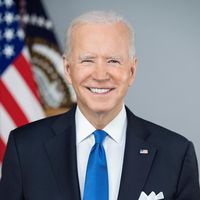


President Trump establishes a global 'Board of Peace' for Gaza reconstruction. Russian President Putin received an invitation, sparking debate. Nations reportedly pay $1 billion for permanent seats. This raises questions of sovereignty and funding mechanisms. Israel voiced discontent over its composition. Key leaders like Rubio, Kushner, and Blair join an executive board. The initiative aims for lasting Middle East stability. Its financial model and political implications are central to global diplomacy. Future participation and operational details remain crucial for its success.
A new international body emerges. President Donald Trump champions this "Board of Peace." Its primary mission: oversee Gaza's reconstruction. It also aims to maintain a fragile ceasefire between Israel and Hamas. This ambitious project seeks to redefine Middle East stability.
The Board of Peace carries a steep price tag. Nations desiring permanent seats face a reported $1 billion contribution. This financial model draws immediate scrutiny. It creates an exclusive tier of influence. Wealthier nations gain an inherent advantage. This challenges traditional multilateralism. Critics question the equity of such a structure.
Invitations extended widely. Russian President Vladimir Putin received an offer. This particular invitation sparked global debate. Russia's ongoing conflict in Ukraine casts a long shadow. The war approaches its fourth year. Hundreds of thousands have perished. Inviting Putin raises ethical concerns. It complicates global diplomatic efforts. Moscow confirms studying the proposal. They seek further clarification. This move signals complex geopolitical maneuverings.
The Board of Peace gained United Nations Security Council endorsement. This occurred in November 2025. This UN backing lends some legitimacy. It also underscores international acknowledgment of the need for Gaza solutions. The board's mandate is vast. It encompasses comprehensive rebuilding. It promises to utilize "virtually every dollar" raised. Claims suggest no "exorbitant salaries" or "massive administrative bloat." This aims to assure financial transparency.
President Trump is slated as the inaugural chairman. He holds significant power within the board. He chooses member nations. He maintains final approval on decisions. Even with majority votes, his word is final. This structure centralizes authority. It grants the chairman immense sway over Gaza's future. This leadership model differs from typical international bodies.
An executive board also formed. This group oversees specific portfolios for Gaza's success. Notable members include former UK Prime Minister Tony Blair. U.S. Secretary of State Marco Rubio also joined. Trump's son-in-law, Jared Kushner, holds a position. Other appointees include Steve Witkoff, Marc Rowan, Ajay Banga, and Robert Gabriel. These individuals bring varied expertise. Their collective influence will shape policy.
Other nations received invitations. Canada's Prime Minister Mark Carney is on the list. Argentine President Javier Milei also received an offer. Hungary, India, Jordan, Greece, Cyprus, and Pakistan confirmed their invitations. Earlier, Turkey, Egypt, Paraguay, and Albania were invited. The full list of participants remains in flux. It reflects a diverse global interest.
Israel expressed significant reservations. Prime Minister Benjamin Netanyahu's office voiced discontent. The composition of the Gaza Executive Board lacked coordination with Israel. It runs contrary to established Israeli policy. This disconnect threatens the board's effectiveness. Israel's cooperation is crucial for any lasting solution in Gaza. The US initiative faces immediate pushback from a key regional player.
The $1 billion fee remains a central discussion point. Officials clarify membership tiers. A base membership holds no cost. Permanent status, however, requires the substantial contribution. This funding aims directly at Gaza's reconstruction. The exact mechanism for holding these funds remains unclear. Transparency will be paramount. Global financial watchdogs will scrutinize the process.
This Board of Peace represents a new approach. It blends diplomacy with high finance. It aims for expedited results in a devastated region. But its structure prompts serious questions. Sovereignty concerns arise for participating nations. The concentration of power with the chairman is notable. The financial barrier for permanent membership is unprecedented.
The initiative seeks to stabilize the Middle East. It targets a long-term resolution for Gaza. But it navigates complex political terrain. The inclusion of controversial figures complicates its image. Israel's opposition poses a direct challenge. The sheer financial scale of membership creates an elite club.
The coming months will clarify its trajectory. Nations will weigh the costs and benefits. They will consider the influence a permanent seat provides. They will assess the implications of Trump's leadership. The Board of Peace represents a bold, expensive, and potentially divisive diplomatic experiment. Its ultimate success hinges on overcoming these intricate challenges. Global observers watch closely. The future of Gaza hangs in the balance.
A new international body emerges. President Donald Trump champions this "Board of Peace." Its primary mission: oversee Gaza's reconstruction. It also aims to maintain a fragile ceasefire between Israel and Hamas. This ambitious project seeks to redefine Middle East stability.
The Board of Peace carries a steep price tag. Nations desiring permanent seats face a reported $1 billion contribution. This financial model draws immediate scrutiny. It creates an exclusive tier of influence. Wealthier nations gain an inherent advantage. This challenges traditional multilateralism. Critics question the equity of such a structure.
Invitations extended widely. Russian President Vladimir Putin received an offer. This particular invitation sparked global debate. Russia's ongoing conflict in Ukraine casts a long shadow. The war approaches its fourth year. Hundreds of thousands have perished. Inviting Putin raises ethical concerns. It complicates global diplomatic efforts. Moscow confirms studying the proposal. They seek further clarification. This move signals complex geopolitical maneuverings.
The Board of Peace gained United Nations Security Council endorsement. This occurred in November 2025. This UN backing lends some legitimacy. It also underscores international acknowledgment of the need for Gaza solutions. The board's mandate is vast. It encompasses comprehensive rebuilding. It promises to utilize "virtually every dollar" raised. Claims suggest no "exorbitant salaries" or "massive administrative bloat." This aims to assure financial transparency.
President Trump is slated as the inaugural chairman. He holds significant power within the board. He chooses member nations. He maintains final approval on decisions. Even with majority votes, his word is final. This structure centralizes authority. It grants the chairman immense sway over Gaza's future. This leadership model differs from typical international bodies.
An executive board also formed. This group oversees specific portfolios for Gaza's success. Notable members include former UK Prime Minister Tony Blair. U.S. Secretary of State Marco Rubio also joined. Trump's son-in-law, Jared Kushner, holds a position. Other appointees include Steve Witkoff, Marc Rowan, Ajay Banga, and Robert Gabriel. These individuals bring varied expertise. Their collective influence will shape policy.
Other nations received invitations. Canada's Prime Minister Mark Carney is on the list. Argentine President Javier Milei also received an offer. Hungary, India, Jordan, Greece, Cyprus, and Pakistan confirmed their invitations. Earlier, Turkey, Egypt, Paraguay, and Albania were invited. The full list of participants remains in flux. It reflects a diverse global interest.
Israel expressed significant reservations. Prime Minister Benjamin Netanyahu's office voiced discontent. The composition of the Gaza Executive Board lacked coordination with Israel. It runs contrary to established Israeli policy. This disconnect threatens the board's effectiveness. Israel's cooperation is crucial for any lasting solution in Gaza. The US initiative faces immediate pushback from a key regional player.
The $1 billion fee remains a central discussion point. Officials clarify membership tiers. A base membership holds no cost. Permanent status, however, requires the substantial contribution. This funding aims directly at Gaza's reconstruction. The exact mechanism for holding these funds remains unclear. Transparency will be paramount. Global financial watchdogs will scrutinize the process.
This Board of Peace represents a new approach. It blends diplomacy with high finance. It aims for expedited results in a devastated region. But its structure prompts serious questions. Sovereignty concerns arise for participating nations. The concentration of power with the chairman is notable. The financial barrier for permanent membership is unprecedented.
The initiative seeks to stabilize the Middle East. It targets a long-term resolution for Gaza. But it navigates complex political terrain. The inclusion of controversial figures complicates its image. Israel's opposition poses a direct challenge. The sheer financial scale of membership creates an elite club.
The coming months will clarify its trajectory. Nations will weigh the costs and benefits. They will consider the influence a permanent seat provides. They will assess the implications of Trump's leadership. The Board of Peace represents a bold, expensive, and potentially divisive diplomatic experiment. Its ultimate success hinges on overcoming these intricate challenges. Global observers watch closely. The future of Gaza hangs in the balance.