The Rise and Fall of Grünfin: A Cautionary Tale in Green Investment
November 29, 2024, 5:13 am

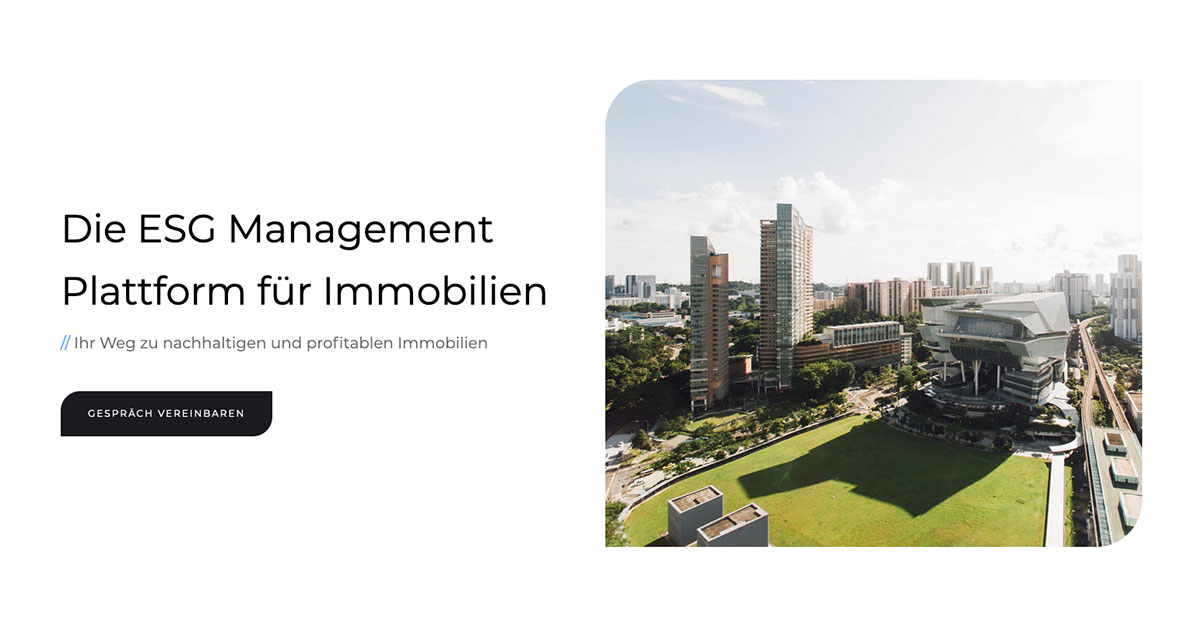

Location: Germany, Bavaria, Garching bei München
Employees: 11-50
Founded date: 2011
In the world of startups, timing is everything. Grünfin, an Estonian green investment platform, learned this lesson the hard way. Founded in 2020, the company aimed to revolutionize sustainable investing. Backed by Norrsken VC, it raised approximately $4.5 million. The founders, former Wise employees, envisioned a platform where investors could align their portfolios with their values. They offered a choice: focus on climate change, gender equality, or health. It was a noble goal, but the reality proved more complex.
Grünfin's mission was clear. They wanted to help people grow their wealth sustainably. The founders believed in a future where financial returns and social responsibility could coexist. They curated investment portfolios that promised good returns while supporting sustainable companies. For many, Grünfin was their first foray into investing. The founders celebrated the fact that nearly 99% of their customers saw positive returns, often outpacing the market. Yet, this success story was not enough to sustain the company.
The startup faced significant hurdles. Trust was a major barrier. Many potential investors held misconceptions about sustainable investing. They believed it meant sacrificing returns. This perception was a heavy anchor, dragging down Grünfin's growth. The founders recognized this challenge but struggled to overcome it. They tried various strategies, but the tide of skepticism remained.
Grünfin's closure raises questions about the broader landscape of sustainable investing. Are consumers ready to embrace this shift? Or are they still clinging to outdated beliefs? The founders of Grünfin pondered whether they were simply ahead of their time. They believed in a world where sustainability and profitability could thrive together. Yet, the market didn’t seem to share their vision.
The startup's demise is a stark reminder of the challenges facing green investments. The urgency to invest sustainably is growing, but the barriers remain. Many people still view traditional investments as safer bets. They hesitate to dive into the unknown waters of sustainable options. This reluctance can stifle innovation and slow progress.
Grünfin's story is not unique. Other startups in the green investment space have faced similar struggles. The concept of sustainable investing is still maturing. Investors are becoming more aware of environmental, social, and governance (ESG) factors. However, the transition is slow. Many are still waiting for a clear signal that sustainable investing is not just a trend, but a viable path forward.
In contrast, the real estate sector is experiencing a different kind of transformation. Companies like Predium are capitalizing on the need for compliance and sustainability. Recently, Predium secured €13 million in Series A funding, led by Norrsken VC. This Munich-based proptech firm is streamlining compliance for real estate and finance companies. They leverage data to help clients identify ESG risks and prioritize renovations. The demand for such solutions is growing as the EU pushes for a climate-neutral building sector by 2050.
Predium's approach highlights a crucial shift in the market. Investors are increasingly looking for ways to enhance asset value while promoting sustainability. The real estate industry is adapting to regulatory changes and market pressures. Unlike Grünfin, Predium seems to have found its footing. It is navigating the complexities of the market with a data-driven strategy.
The contrast between Grünfin and Predium illustrates the varying landscapes of sustainable investing. While Grünfin struggled to gain traction, Predium is thriving. The key difference lies in their approaches. Predium’s focus on data and compliance resonates with the current needs of the market. They are not just selling a vision; they are providing practical solutions.
As the world grapples with climate change, the demand for sustainable investments will only grow. However, the path forward is fraught with challenges. Startups must navigate misconceptions and build trust with potential investors. They need to demonstrate that sustainable investing can yield competitive returns.
Grünfin's closure serves as a cautionary tale. It underscores the importance of timing and market readiness. Startups must align their visions with the current mindset of investors. They must educate and inspire, breaking down the barriers of skepticism.
In conclusion, the story of Grünfin is a poignant reminder of the hurdles in the green investment landscape. It highlights the need for patience, education, and adaptability. As the market evolves, so too must the strategies of those seeking to make a difference. The future of sustainable investing is bright, but it requires a collective effort to illuminate the path forward. Only then can we hope to see a world where sustainability and profitability walk hand in hand.
Grünfin's mission was clear. They wanted to help people grow their wealth sustainably. The founders believed in a future where financial returns and social responsibility could coexist. They curated investment portfolios that promised good returns while supporting sustainable companies. For many, Grünfin was their first foray into investing. The founders celebrated the fact that nearly 99% of their customers saw positive returns, often outpacing the market. Yet, this success story was not enough to sustain the company.
The startup faced significant hurdles. Trust was a major barrier. Many potential investors held misconceptions about sustainable investing. They believed it meant sacrificing returns. This perception was a heavy anchor, dragging down Grünfin's growth. The founders recognized this challenge but struggled to overcome it. They tried various strategies, but the tide of skepticism remained.
Grünfin's closure raises questions about the broader landscape of sustainable investing. Are consumers ready to embrace this shift? Or are they still clinging to outdated beliefs? The founders of Grünfin pondered whether they were simply ahead of their time. They believed in a world where sustainability and profitability could thrive together. Yet, the market didn’t seem to share their vision.
The startup's demise is a stark reminder of the challenges facing green investments. The urgency to invest sustainably is growing, but the barriers remain. Many people still view traditional investments as safer bets. They hesitate to dive into the unknown waters of sustainable options. This reluctance can stifle innovation and slow progress.
Grünfin's story is not unique. Other startups in the green investment space have faced similar struggles. The concept of sustainable investing is still maturing. Investors are becoming more aware of environmental, social, and governance (ESG) factors. However, the transition is slow. Many are still waiting for a clear signal that sustainable investing is not just a trend, but a viable path forward.
In contrast, the real estate sector is experiencing a different kind of transformation. Companies like Predium are capitalizing on the need for compliance and sustainability. Recently, Predium secured €13 million in Series A funding, led by Norrsken VC. This Munich-based proptech firm is streamlining compliance for real estate and finance companies. They leverage data to help clients identify ESG risks and prioritize renovations. The demand for such solutions is growing as the EU pushes for a climate-neutral building sector by 2050.
Predium's approach highlights a crucial shift in the market. Investors are increasingly looking for ways to enhance asset value while promoting sustainability. The real estate industry is adapting to regulatory changes and market pressures. Unlike Grünfin, Predium seems to have found its footing. It is navigating the complexities of the market with a data-driven strategy.
The contrast between Grünfin and Predium illustrates the varying landscapes of sustainable investing. While Grünfin struggled to gain traction, Predium is thriving. The key difference lies in their approaches. Predium’s focus on data and compliance resonates with the current needs of the market. They are not just selling a vision; they are providing practical solutions.
As the world grapples with climate change, the demand for sustainable investments will only grow. However, the path forward is fraught with challenges. Startups must navigate misconceptions and build trust with potential investors. They need to demonstrate that sustainable investing can yield competitive returns.
Grünfin's closure serves as a cautionary tale. It underscores the importance of timing and market readiness. Startups must align their visions with the current mindset of investors. They must educate and inspire, breaking down the barriers of skepticism.
In conclusion, the story of Grünfin is a poignant reminder of the hurdles in the green investment landscape. It highlights the need for patience, education, and adaptability. As the market evolves, so too must the strategies of those seeking to make a difference. The future of sustainable investing is bright, but it requires a collective effort to illuminate the path forward. Only then can we hope to see a world where sustainability and profitability walk hand in hand.